Restaurant Service Techniques – A Complete Guide for Hospitality Students

Introduction

Restaurant service is one of the most important parts of the hospitality industry. When guests visit a restaurant, they expect more than just delicious food. They also want friendly staff, quick service, a clean environment, and a comfortable dining experience.

Good restaurant service makes guests feel welcome and special. A professional restaurant staff member understands how to communicate with customers, take orders correctly, serve food properly, and handle guest requests politely.

For hotel management students, learning restaurant service techniques is very important because these skills help them build a successful career in hotels, restaurants, cafés, and resorts.

Important Restaurant Service Techniques

1. Welcoming Guests with a Smile

The first impression matters. Always welcome guests with a warm smile and a polite greeting. Make them feel comfortable when they enter the restaurant.

2. Proper Table Setup

A clean and properly arranged table creates a good impression. Cutlery, crockery, glassware, napkins, and other table accessories should be placed correctly before guests arrive.

3. Taking Orders Correctly

Listen carefully when guests place their orders. Understand their requirements, repeat the order when necessary, and communicate any special requests to the kitchen staff.

4. Serving Food Professionally

Food should be served carefully and confidently. Staff should follow the restaurant’s service style, maintain proper serving etiquette, and avoid disturbing guests while they are eating.

5. Good Communication Skills

Restaurant staff should speak politely and clearly. They should listen to guests, answer questions confidently, and handle complaints patiently.

6. Maintaining Hygiene and Cleanliness

Personal grooming, clean uniforms, washed hands, and hygienic service practices are essential. Tables should also be cleaned and prepared properly for the next guests.

7. Handling Guest Complaints

Sometimes guests may not be satisfied with the service or food. Staff should listen calmly, apologise politely when appropriate, and inform the supervisor to resolve the issue.

8. Saying Thank You to Guests

Before guests leave, thank them for visiting. A simple smile and a polite goodbye can create a lasting positive impression.

Why Are Restaurant Service Skills Important?

Restaurant service skills help students and hospitality professionals:

  • Build confidence and communication skills.
  • Provide better customer service.
  • Learn professional dining etiquette.
  • Work efficiently as part of a team.
  • Handle different types of guests.
  • Develop career opportunities in the hospitality industry.

Practical Training for Hotel Management Students

Reading about restaurant service is helpful, but practical training makes learning more effective. Students should practise table setup, order taking, food serving, guest handling, and restaurant etiquette.

At the International Tourism and Hospitality Development Society (ITHDS), Haldwani, students can develop hospitality knowledge and practical skills to prepare for opportunities in the hotel and restaurant industry.

Conclusion

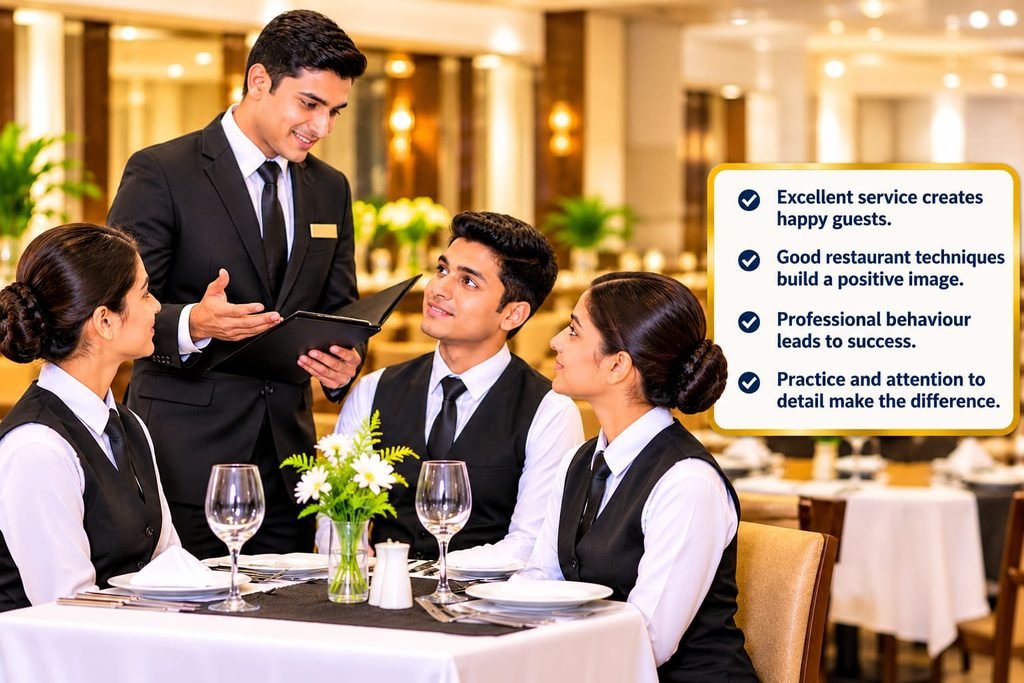
Restaurant service is not just about serving food; it is about making every guest feel comfortable, respected, and satisfied. A friendly smile, good communication, proper grooming, and professional service can turn an ordinary restaurant visit into a memorable experience.

Remember: Good food attracts guests, but excellent service brings them back!

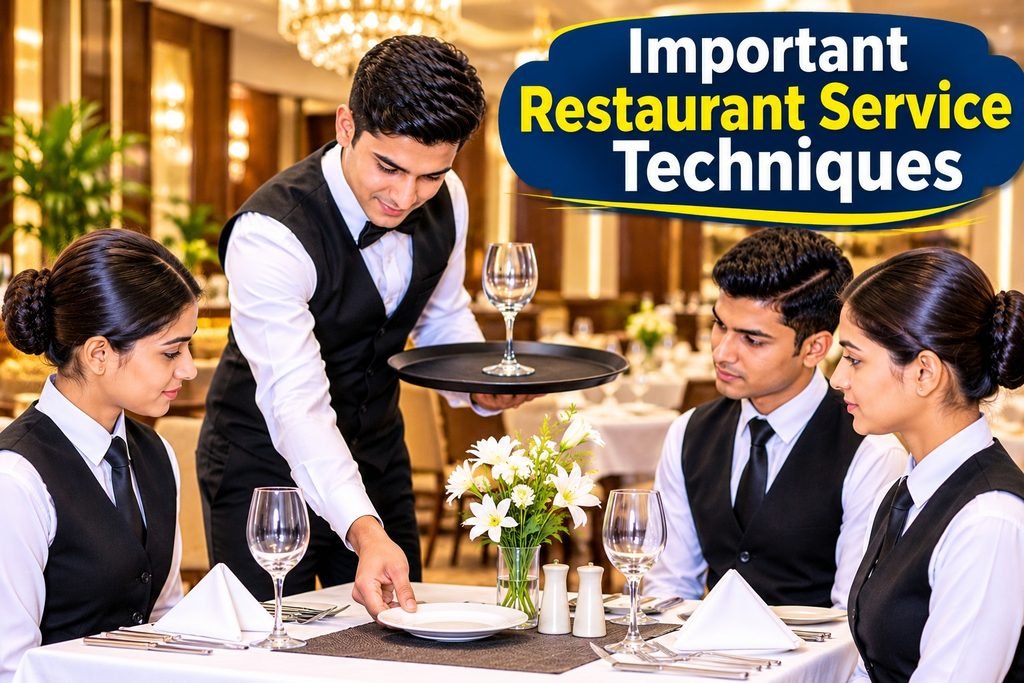
Restaurant staff serving food to guests in a professional dining environment.
Hotel Table Setup and Dining Etiquette

A Complete Guide for Hotel Management Students

In the hospitality industry, small things can make a big difference. The way a table is arranged, how food is served, and how people behave while dining all help create a good experience for guests. This is why hotel table setup and dining etiquette are important parts of hotel management training.

Hotels and restaurants always try to make their guests feel comfortable and welcome. A clean table, properly arranged cutlery, polished glasses, and polite service can make a guest’s dining experience more enjoyable.

What Is Hotel Table Setup?

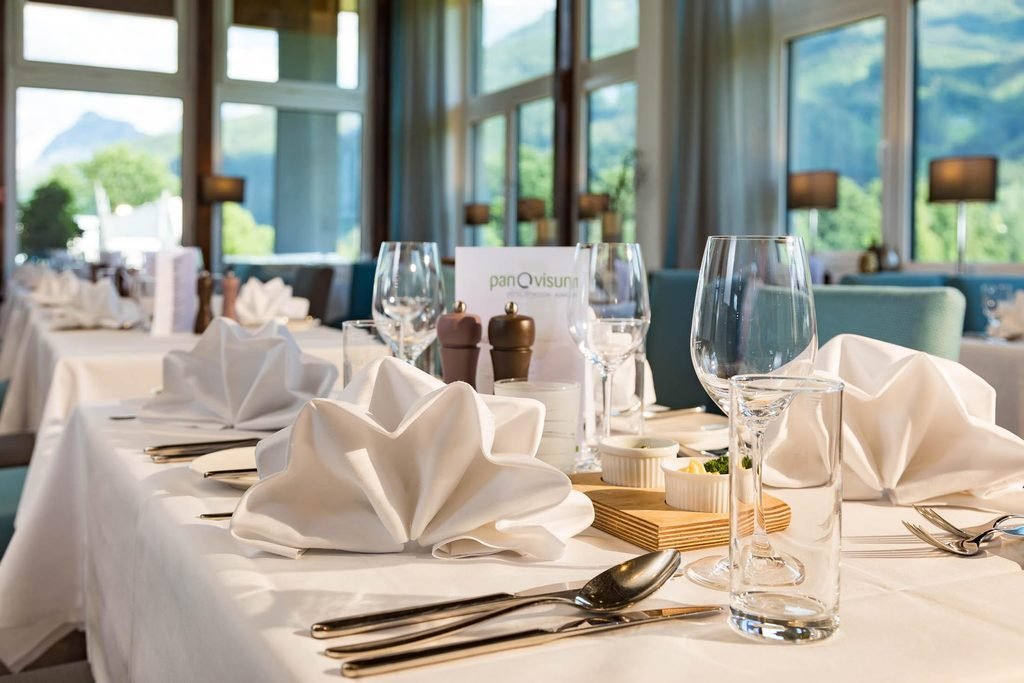
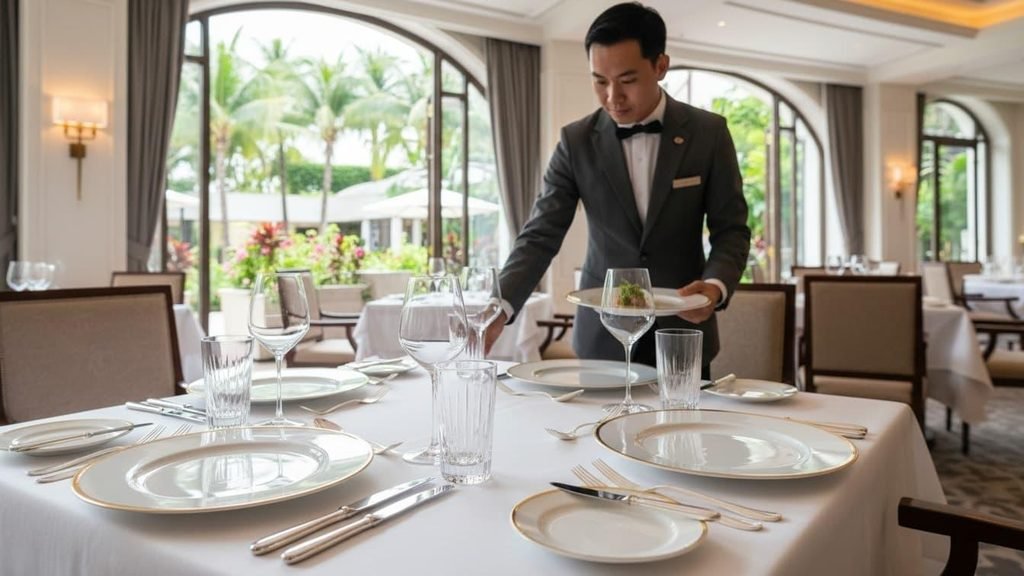
Hotel table setup means arranging everything on a dining table before guests arrive. It includes placing plates, spoons, forks, knives, glasses, and napkins in the correct positions.

A properly arranged table looks attractive and makes it easier for guests to enjoy their meals. In hotels, table setup may change depending on the type of restaurant, the menu, and the occasion.

For example, a breakfast table may have a simple arrangement, while a fine-dining restaurant may use more crockery, cutlery, and glassware.

Here are some important things to remember while setting up a table:

  • Always use clean plates, glasses, and cutlery.
  • Make sure the tablecloth is neat and free from stains.
  • Place forks, knives, and spoons in the correct positions.
  • Fold napkins neatly.
  • Keep the table clean and organized.
  • Check the entire arrangement before guests arrive.

What Is Dining Etiquette?

Dining etiquette means following good manners while eating or dining with others. It helps people feel comfortable and shows respect for everyone at the table.

In hotels and restaurants, dining etiquette is important for both guests and staff. Hotel employees should speak politely, serve food carefully, and maintain a professional attitude.

Some basic dining etiquette rules include:

  • Sit properly and maintain good posture.
  • Use a fork, spoon, and knife correctly.
  • Chew food with your mouth closed.
  • Avoid speaking while your mouth is full.
  • Be polite and respectful to others.
  • Say “Please” and “Thank you” when needed.
  • Avoid making unnecessary noise while eating.
  • Keep your dining area clean.

These simple habits help create a pleasant dining environment.

Why Is Table Setup Important in Hotels?

Imagine entering a hotel restaurant and finding a clean table with neatly arranged plates, shining glasses, and perfectly placed cutlery. It creates a positive first impression even before the food arrives.

A good table setup is important for several reasons.

1. Creates a good first impression

Guests often notice the appearance of a restaurant before they experience the food or service. A neat table makes the restaurant look professional.

2. Improves guest satisfaction

When everything is arranged properly, guests can enjoy their meals comfortably without searching for the items they need.

3. Maintains cleanliness

Clean crockery, polished glassware, and properly handled cutlery help maintain hygiene standards.

4. Shows professionalism

A well-arranged table reflects the care and attention that hotel staff give to their work.

Steps for Proper Hotel Table Setup

Setting up a hotel table is not difficult, but it requires attention to detail. Here are some simple steps that hotel management students can follow.

Step 1: Clean the table

Before placing anything on the table, make sure it is clean and ready for use.

Step 2: Arrange the tablecloth

If a tablecloth is required, spread it neatly and make sure it is free from wrinkles and stains.

Step 3: Place the plates

Position the main plate correctly and add side plates or other crockery according to the menu.

Step 4: Arrange the cutlery

Place forks on the left and knives on the right, with the cutting edge facing the plate. Spoons are generally placed on the right when required.

Step 5: Place the glasses

Water glasses and other required glassware are usually placed above the knives, depending on the table-setting style.

Step 6: Fold the napkins

Use clean napkins and arrange them neatly on the plate or beside the cutlery.

Step 7: Check the final arrangement

Before guests arrive, check that everything is clean, properly positioned, and ready for service.

Conclusion

Hotel table setup and dining etiquette may seem like small parts of hotel service, but they have a big impact on the guest experience. A clean table, correct placement of cutlery, and polite behavior can make dining more comfortable and enjoyable.

For anyone planning to build a career in hospitality, learning these skills is a great starting point. Regular practice, attention to detail, and a positive attitude can help students become more professional and confident.

At the International Tourism and Hospitality Development Society (ITHDS), Haldwani, students can explore hospitality education and develop an understanding of the practical skills needed in the hotel and restaurant industry.

Learn today, practise every day, and prepare for a bright future in hospitality!

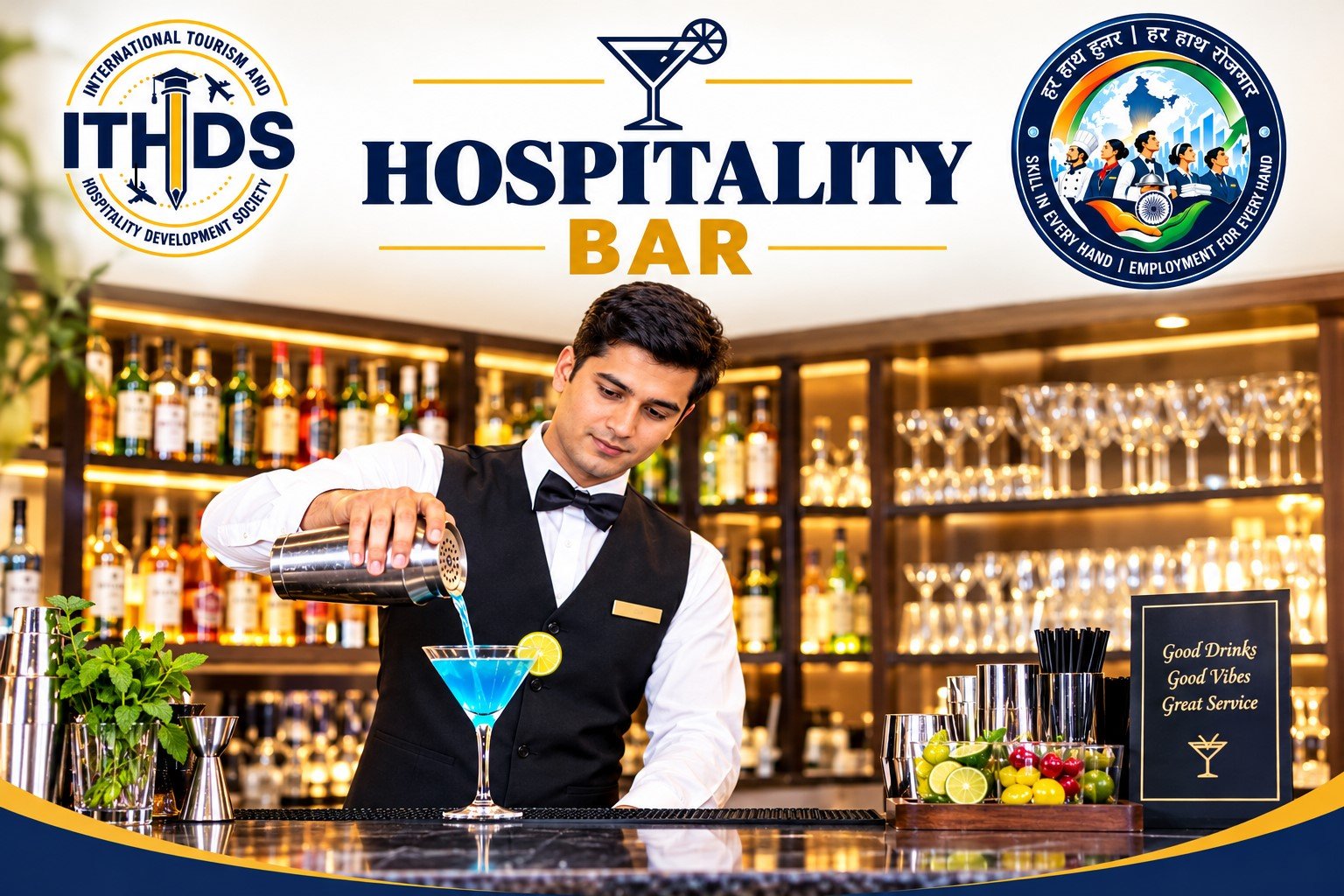
Bar Department in Hospitality – The Art of Beverage Service

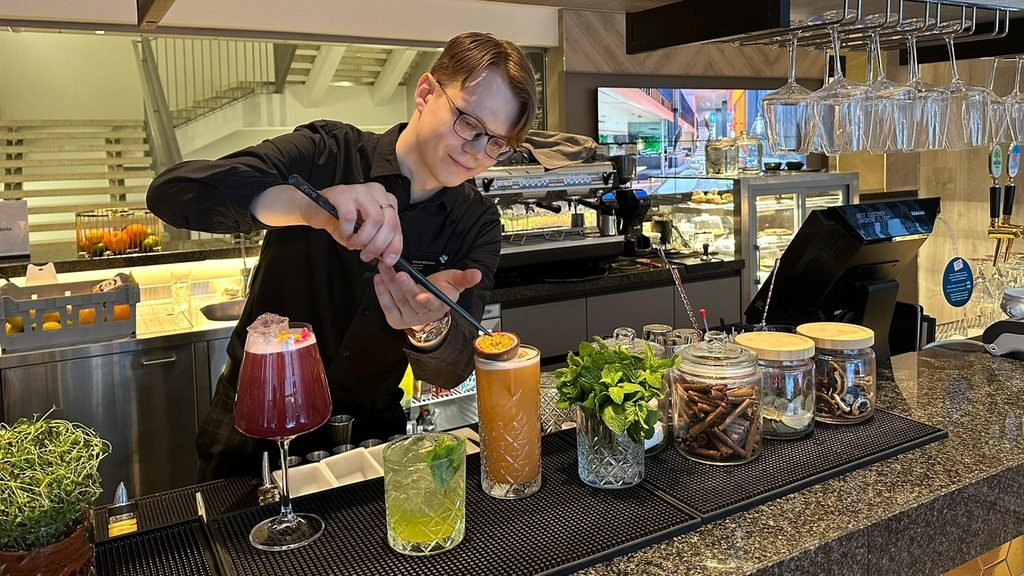
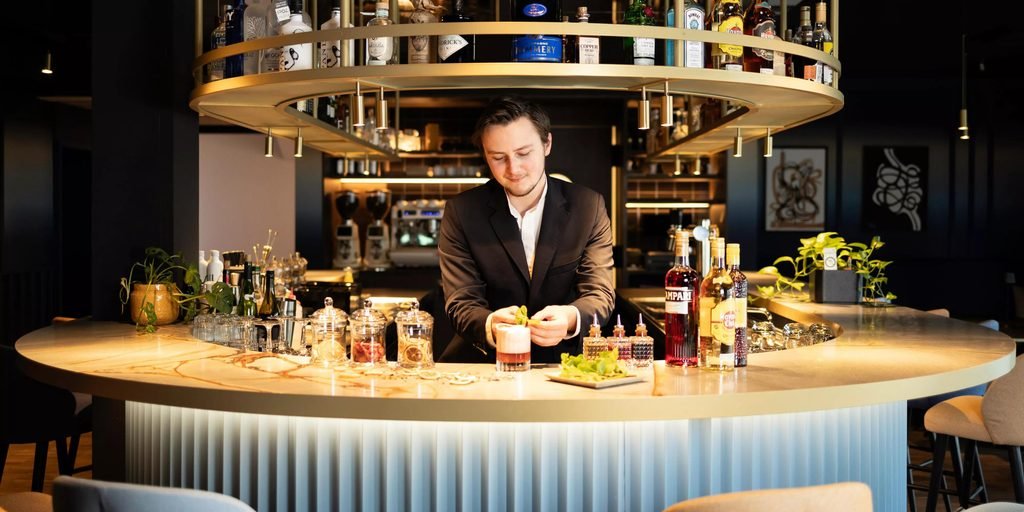
The Bar Department is an important part of the hospitality industry. It focuses on preparing, presenting, and serving beverages to guests in hotels, restaurants, resorts, clubs, and other hospitality establishments. A well-managed bar provides quality service, a comfortable atmosphere, and a memorable guest experience.

The bar department is not only about serving drinks. It also requires communication skills, product knowledge, cleanliness, teamwork, and professional guest handling.

Importance of the Bar Department in Hotels

The bar department contributes to guest satisfaction and the overall reputation of a hospitality establishment. Professional beverage service creates a welcoming environment and can also contribute to hotel revenue.A clean bar, well-trained staff, quality beverages, and friendly service help guests enjoy their experience and encourage repeat visits.

1. Improves Guest Satisfaction A professional bartender provides friendly service, prepares quality beverages, and creates a welcoming atmosphere for guests.

2. Increases Hotel Revenue The bar department contributes to hotel income through beverage sales and organised bar services.

3. Creates a Relaxing Atmosphere Hotel bars provide a comfortable place where guests can relax, socialize, and spend quality time with friends, family, or colleagues.

4. Supports Events and Functions The bar team may provide beverage services for weddings, parties, conferences, banquets, and other special occasions, following applicable laws and hotel policies.

5. Maintains Service Standards Proper hygiene, clean glassware, organized equipment, and professional staff help maintain high standards of hospitality.

6. Provides Career Opportunities The bar department offers career opportunities such as bartender, bar captain, bar supervisor, and bar manager.

7. Builds the Hotel’s Reputation Excellent beverage service and professional guest handling can create a positive impression and encourage guests to return.

Bar Department in Hospitality – Duties, Tools and Career Opportunities

Students interested in hospitality can explore several career opportunities, such as:

  • Bar Assistant
  • Bartender
  • Bar Captain
  • Bar Supervisor
  • Bar Manager
  • Beverage Manager
  • Restaurant and Bar Service Professional

With proper training, practical experience, and strong communication skills, students can develop a rewarding career in the hospitality industry.

Essential Skills for a Professional Bartender

A successful bartender should have:

  • Good communication skills
  • Knowledge of beverages and recipes
  • Professional grooming and personal hygiene
  • Time management and multitasking abilities
  • Teamwork and a positive attitude
  • Accurate measuring and billing skills
  • Customer service and problem-solving skills
  • Knowledge of responsible beverage service

Conclusion

The bar department is an essential part of modern hospitality. It combines beverage knowledge, practical skills, cleanliness, teamwork, and excellent customer service. For students who want to build a career in hotels, restaurants, and resorts, learning bar operations is a valuable step toward professional success.

Learn hospitality skills, improve your confidence, and prepare yourself for exciting career opportunities in the hospitality industry.

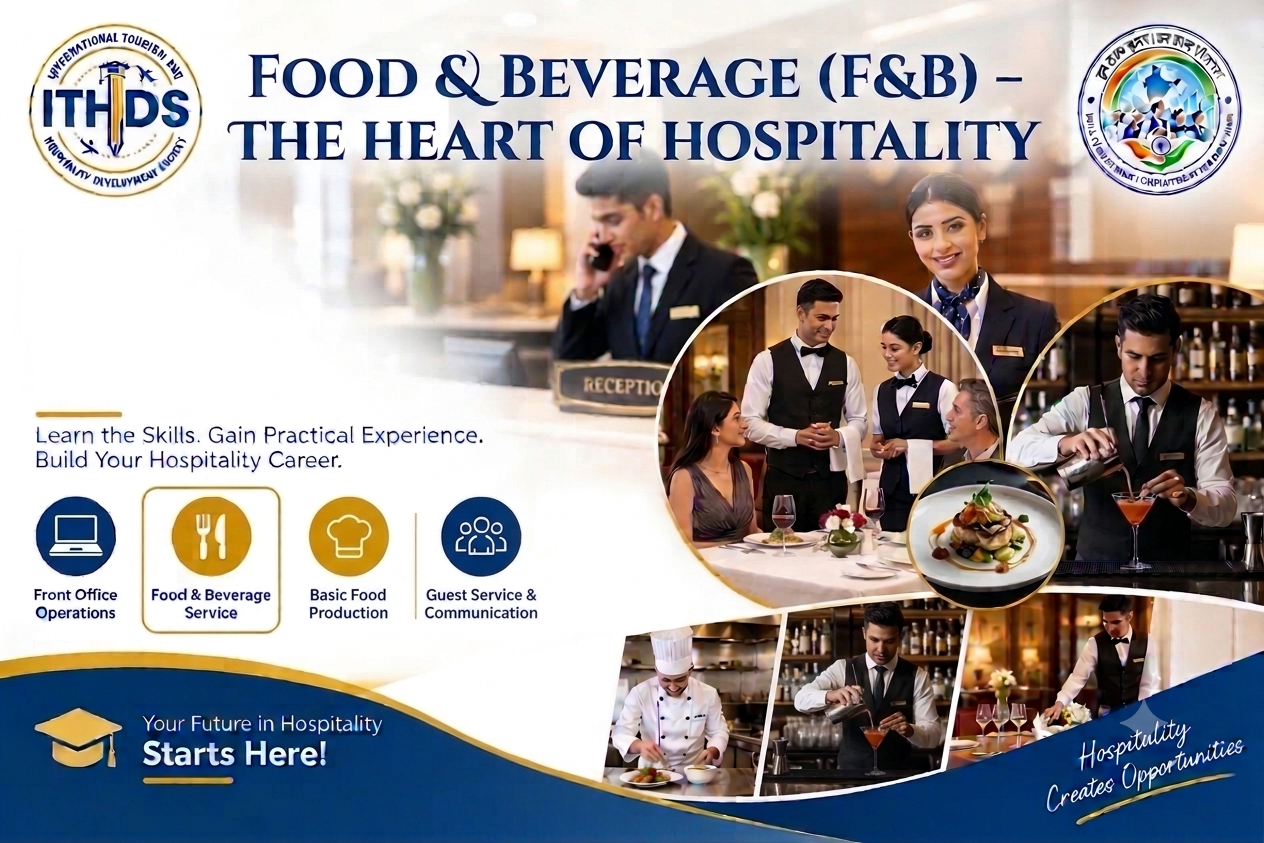
Food & Beverage (F&B) – The Heart of Hospitality

Food and Beverage

Food and Beverage, commonly known as F&B, is one of the most important parts of the hospitality industry. It is not only about serving food and drinks; it is about creating a pleasant experience for guests. From a morning cup of tea to a special dinner, every small detail can make a guest feel welcomed and valued.Creating memorable guest experiences through excellent food, professional service, and genuine hospitality

Hygiene and Cleanliness in F&B

Hygiene is one of the most important responsibilities in food and beverage operations. Cleanliness protects guests, supports food safety, and maintains the reputation of the establishment.

F&B professionals should wash their hands properly, maintain personal hygiene, use clean equipment, follow safe food-handling procedures, and keep work areas clean.

Food should be stored at appropriate temperatures, and raw and ready-to-eat foods should be handled separately to reduce the risk of contamination. Tables, kitchen surfaces, utensils, and service equipment must be cleaned and maintained according to food safety procedures.

A hygienic environment builds customer trust and contributes to a better dining experience.

Customer Satisfaction Comes First

Customer satisfaction is the heart of the hospitality industry. In Food & Beverage (F&B), friendly service, quality food, cleanliness, and professional behaviour make guests feel welcome. When customers enjoy their experience, they are more likely to return and recommend the restaurant to others.

In the F&B industry, customer satisfaction is extremely important. Guests may forget exactly what they ordered, but they are likely to remember how they were treated.Simple things such as greeting guests warmly, listening carefully to their requirements, serving food properly, and responding politely to complaints can make a big difference.

AFSG HR CONSULTANT

F&B
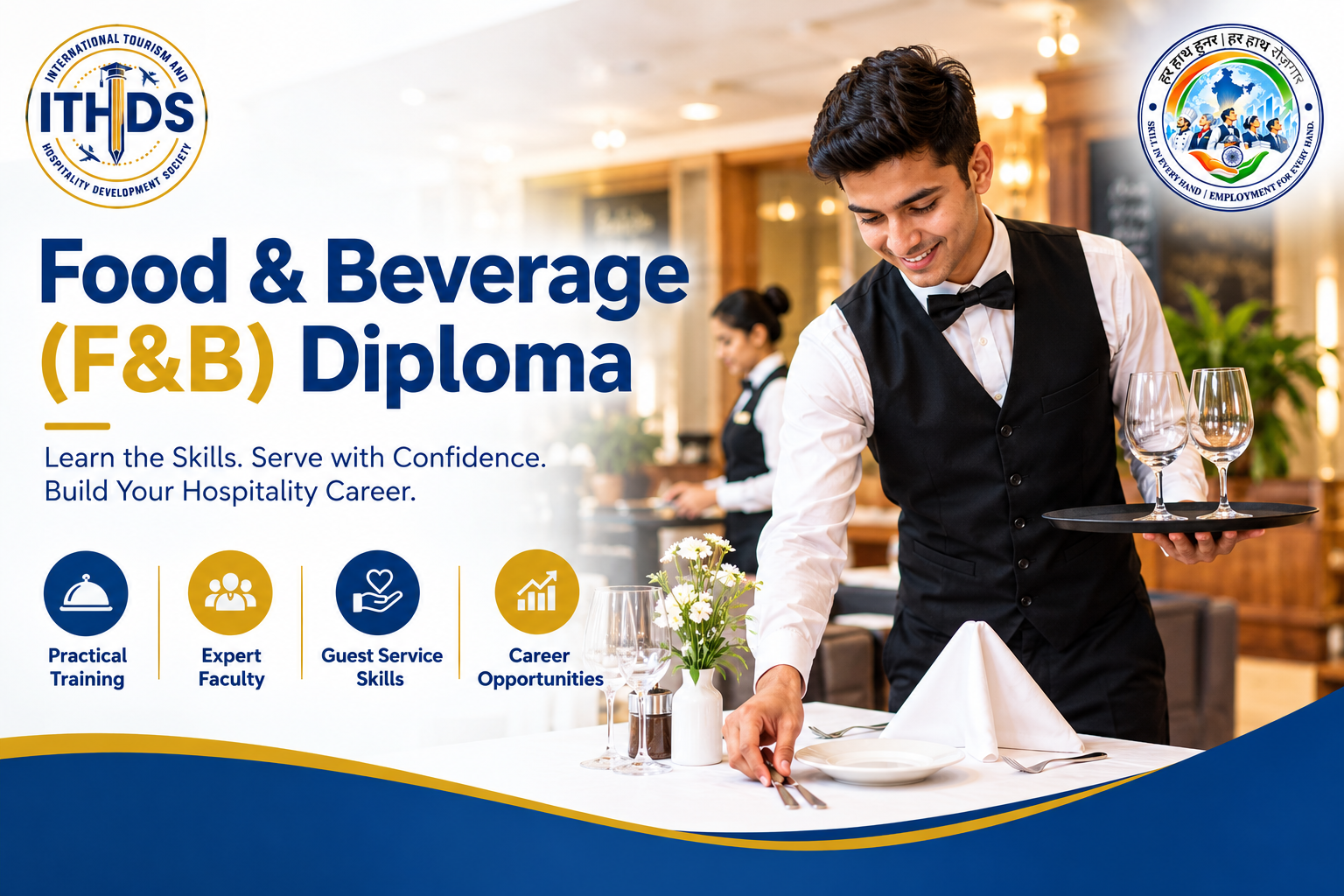
Food & Beverage Diploma
Food & Beverage (F&B) Diploma | Course, Skills & Career

Food & Beverage (F&B) Diploma: Course, Skills & Career Opportunities


The Food & Beverage (F&B) industry is an important part of the hospitality sector. Hotels, restaurants, resorts, cafés, banquet halls, clubs, and catering companies all require trained professionals who can provide quality food service and a good guest experience.

A Food & Beverage Diploma is a practical course designed for students who want to develop professional skills in food service and build a career in the hospitality industry.

The course focuses on practical training, guest service, communication, hygiene, restaurant operations, and professional workplace skills.

What is a Food & Beverage Diploma?

A Food & Beverage Diploma is a career-oriented hospitality course that introduces students to the fundamentals of food and beverage service.

Students learn how professional restaurants and hospitality establishments operate and develop the practical skills required to work in different food service environments.

The course can be a good starting point for students who want to enter the hotel, restaurant, resort, café, banquet, or catering industry.

What Do You Learn in a Food & Beverage Diploma?

A good F&B training program covers both technical and professional skills. Some of the important areas include:

1. Food & Beverage Service

Students learn the fundamentals of professional food and beverage service, including taking orders, serving guests, clearing tables, and maintaining service standards.

2. Restaurant Setup & Table Service

Training includes table setting, cutlery placement, napkin folding, restaurant preparation, and maintaining an organized dining area.

3. Guest Handling & Communication

Hospitality is strongly connected with customer service. Students learn how to welcome guests, understand their requirements, communicate professionally, and handle basic guest queries.

4. Menu Knowledge

Students are introduced to different types of menus, food items, beverages, and basic hospitality terminology. This helps them communicate more confidently with guests.

5. Hygiene & Food Safety

Cleanliness and hygiene are essential in food service. Students learn about personal hygiene, workplace cleanliness, basic food safety practices, and safe working procedures.

6. Professional Grooming & Workplace Etiquette

Students also develop professional grooming, discipline, teamwork, communication, and workplace etiquette—skills that are important when working in hotels and restaurants.

Why Choose a Food & Beverage Diploma?

Choosing an F&B Diploma course can be a practical way to start a career in hospitality.

The course can help students:

  • Develop practical food service skills
  • Improve communication and confidence
  • Learn professional guest-handling techniques
  • Understand restaurant operations
  • Develop workplace discipline and teamwork
  • Prepare for entry-level hospitality positions
  • Build a foundation for further hospitality education

Career Opportunities After a Food & Beverage Diploma

After completing an F&B Diploma, students can explore entry-level opportunities in hotels, restaurants, resorts, cafés, banquet facilities, clubs, and catering companies.

Potential job roles include:

  • Food & Beverage Service Associate
  • Restaurant Service Staff
  • Waiter / Steward
  • Banquet Service Staff
  • Café Service Staff
  • Room Service Associate
  • Catering Service Staff
  • F&B Supervisor with relevant experience

With experience, additional training, and professional development, students can progress towards supervisory and managerial positions.

Where Can F&B Professionals Work?

Food and beverage professionals can find opportunities across different areas of the hospitality industry, including:

  • Hotels
  • Restaurants
  • Resorts
  • Cafés
  • Banquet halls
  • Catering companies
  • Clubs
  • Food service establishments
  • Hospitality and tourism businesses

This variety allows students to choose a work environment that matches their interests and career goals.

Who Should Choose an F&B Diploma?

An F&B Diploma can be suitable for students who:

  • Are interested in the hospitality industry
  • Enjoy interacting with people
  • Want practical, skill-based education
  • Are interested in hotels and restaurants
  • Want to develop professional communication skills
  • Want to start a career in food and beverage service

Students who are motivated, disciplined, willing to learn, and comfortable working with people can build a strong foundation through F&B training.

Skills You Can Develop Through F&B Training

Apart from technical food service knowledge, students can develop several professional skills, including:

Communication: Learn how to communicate clearly and professionally with guests and colleagues.

Customer Service: Understand how to provide a positive and welcoming guest experience.

Teamwork: Learn how to coordinate with kitchen, service, housekeeping, and other hospitality teams.

Time Management: Develop the ability to work efficiently during busy service periods.

Professional Grooming: Understand the importance of appearance, hygiene, and workplace etiquette.

Problem Solving: Learn how to respond calmly and professionally to common guest requirements and service situations.

Build Your Career in Hospitality with Practical Training

A successful hospitality career requires more than theoretical knowledge. Practical skills, communication, discipline, and professional behavior play an important role in the industry.

A Food & Beverage Diploma provides students with a foundation in food service operations and helps them prepare for real workplace environments.

At the International Tourism and Hospitality Development Society (ITHDS), our approach focuses on skill-based and career-oriented hospitality education. Students are introduced to practical aspects of hospitality while developing the confidence and professional skills needed for the workplace.

If you are interested in hotels, restaurants, food service, and guest interaction, an F&B Diploma can be a valuable first step towards your hospitality career.

Frequently Asked Questions (FAQs)

1. What is a Food & Beverage Diploma?

A Food & Beverage Diploma is a hospitality course that teaches students the fundamentals of food and beverage service, restaurant operations, guest handling, hygiene, communication, and professional hospitality skills.

2. What can I do after completing an F&B Diploma?

After completing the course, students can apply for entry-level positions such as waiter, steward, restaurant service staff, banquet service staff, café service staff, room service associate, and catering service staff.

3. Is an F&B Diploma good for a career in hotels?

Yes. An F&B Diploma can provide practical knowledge and skills that are useful for entry-level positions in hotels, restaurants, resorts, cafés, banquets, and other hospitality establishments.

4. What skills are taught in F&B training?

F&B training generally covers food and beverage service, table setting, menu knowledge, guest handling, communication, hygiene, food safety, professional grooming, teamwork, and workplace etiquette.

5. Can freshers join a Food & Beverage course?

Yes. F&B courses can be suitable for freshers who want to develop practical hospitality skills and begin their career in the food and beverage sector.

6. What are the career opportunities after an F&B course?

Career opportunities may include Food & Beverage Service Associate, Waiter, Steward, Restaurant Service Staff, Banquet Service Staff, Café Service Staff, Room Service Associate, and Catering Service Staff. With experience, professionals can move into supervisory roles.

7. Is practical training important in Food & Beverage?

Yes. Practical training helps students understand how food service operations work in real hospitality environments and allows them to develop confidence, communication, teamwork, and service skills.

8. Can an F&B Diploma help me start a hospitality career?

Yes. An F&B Diploma can provide a strong foundation for students who want to enter the hospitality industry by developing practical service knowledge and professional workplace skills.

Start Your Hospitality Journey

If you are looking for a practical Food & Beverage Diploma and want to develop skills for a career in hospitality, the right training can help you take your first step with confidence.

Learn. Train. Develop Skills. Build Your Hospitality Career.

International Tourism and Hospitality Development Society (ITHDS)
Skill-Based Hospitality Education for a Better Career