Admission Open 2026 – Hotel Management Diploma Course at ITHDS

Do you dream of building a successful career in the hotel and hospitality industry? The International Tourism and Hospitality Development Society (ITHDS), Haldwani, is now welcoming applications for its 1-Year Diploma in Hotel Management for 2026.

This course is ideal for students who want to learn hospitality skills, gain practical training, and prepare for exciting career opportunities in the industry. Students can develop essential skills in hotel operations, food and beverage service, housekeeping, front office management, and guest service.

With a focus on practical learning and professional development, ITHDS helps students prepare for opportunities in hotels, restaurants, resorts, and other hospitality businesses.

Take the first step towards your dream career. Join ITHDS, Haldwani, and start building your future in hospitality today!

About ITHDS – Building Skills for a Bright Future in Hospitality

The International Tourism and Hospitality Development Society (ITHDS), Haldwani, helps students prepare for a successful career in the hotel and hospitality industry. Our aim is to provide students with the right knowledge, practical skills, and confidence to succeed in this growing field.

At ITHDS, we believe that learning is more effective when students get hands-on training along with classroom education. Our training focuses on important hospitality skills, professional behaviour, communication, and practical knowledge that students can use in real working environments.

The hospitality industry offers many exciting career opportunities in hotels, restaurants, resorts, tourism, and other service-related businesses. With the right training and dedication, students can develop their abilities and take their first steps towards a rewarding career.

Admissions Open for 2026

Are you interested in working in the hotel and hospitality industry? This is the right time to start your journey!

ITHDS welcomes students who want to learn new skills, gain practical knowledge, and build a bright future in hospitality. Our training is designed to help students become more confident, professional, and prepared for industry opportunities.

Course Specializations at ITHDS

1. Food and Beverage (F&B) Service

Food and Beverage Service is an important department in hotels and restaurants. Students learn the basics of restaurant service, table setup, food presentation, guest handling, and professional service standards.

Training in this department can help students prepare for roles such as restaurant service associate, food and beverage assistant, banquet service staff, and restaurant captain, depending on their skills and experience.

2. Housekeeping

Housekeeping plays an essential role in maintaining cleanliness, comfort, and hygiene in hotels. Students learn about room cleaning, bed making, linen handling, room preparation, and housekeeping procedures.

After gaining relevant skills and experience, students may explore opportunities as housekeeping associates, room attendants, and other hotel housekeeping staff.

Practical Training for a Better Career

At ITHDS, the focus is on reducing the gap between classroom learning and real hotel operations. Students get opportunities to understand workplace expectations, improve communication skills, develop confidence, and prepare for professional responsibilities.

Our training philosophy is simple: Real Training. Real Experience. Real Career.

Course Highlights

ITHDS focuses on practical learning and industry-oriented hospitality education. Key course highlights include:

  • Practical training
  • Guidance from experienced faculty
  • Industry-related skills development
  • Hands-on learning
  • Placement assistance
  • Uniform and study material included, as mentioned in the course brochure

These features aim to help students improve their confidence, communication, teamwork, and professional skills.

Course Duration and Fees

The following details are based on the ITHDS admission poster.

  • Course: 1-Year Diploma in Hotel Management
  • Study Period: 2 months
  • Industrial Training: 10 months of paid industrial training
  • Course Fee: ₹10,000
  • Training Areas: Food and Beverage Service and Housekeeping
  • Additional Inclusions: Uniform and study material

Students are encouraged to contact the institute to confirm the latest fee details, eligibility criteria, training conditions, and other admission requirements.

Career Opportunities After Hotel Management Training

A diploma in hotel management can help students explore different career paths in the hospitality industry, subject to employer requirements and individual performance.

Potential work areas include:

  • Hotels and resorts
  • Restaurants and cafés
  • Food and beverage departments
  • Housekeeping departments
  • Banquet and event services
  • Hospitality and tourism businesses

With practical experience, professional conduct, and continuous learning, students can work toward developing a rewarding hospitality career.

Admission Open – Apply Today!

Start your hospitality journey with ITHDS and take the first step toward a rewarding professional future. If you are interested in hotel management, food and beverage service, or housekeeping, contact our team for course details and admission guidance.

Institute Name: International Tourism and Hospitality Development Society (ITHDS)

Contact Number: 9140199179

Address: 1st Floor, Leela Tower, Kusumkhera, Haldwani, Uttarakhand – 263139.

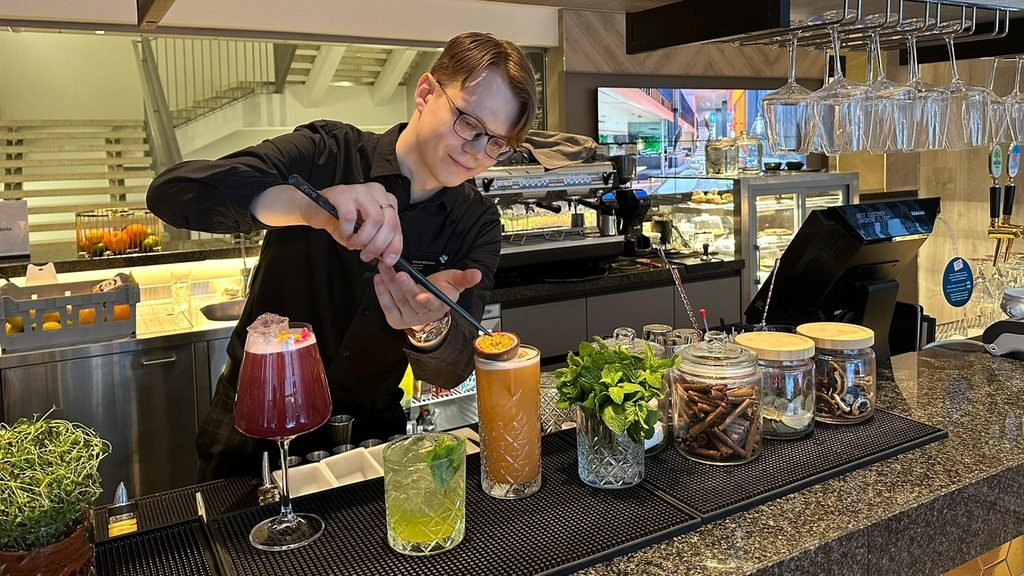
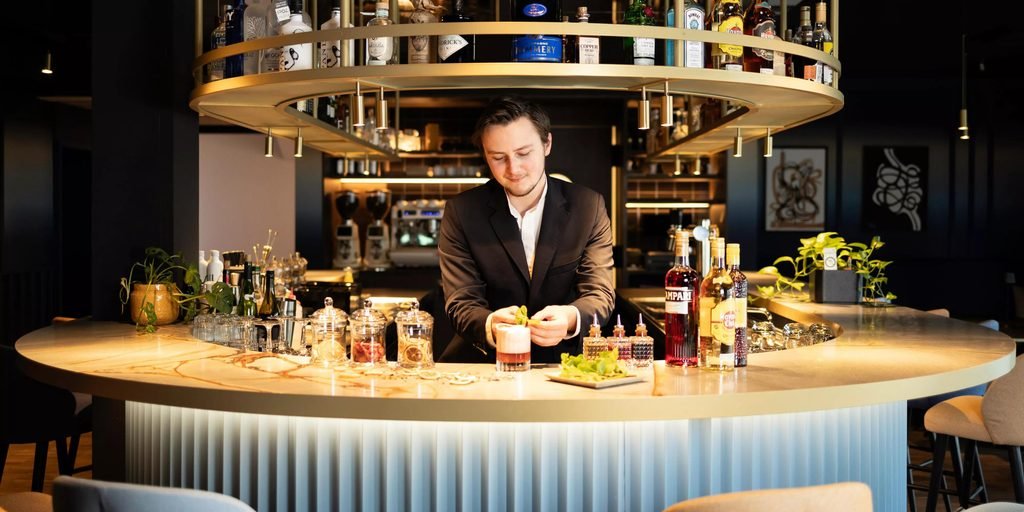
Bar Department in Hospitality – The Art of Beverage Service

The Bar Department is an important part of the hospitality industry. It focuses on preparing, presenting, and serving beverages to guests in hotels, restaurants, resorts, clubs, and other hospitality establishments. A well-managed bar provides quality service, a comfortable atmosphere, and a memorable guest experience.

The bar department is not only about serving drinks. It also requires communication skills, product knowledge, cleanliness, teamwork, and professional guest handling.

Importance of the Bar Department in Hotels

The bar department contributes to guest satisfaction and the overall reputation of a hospitality establishment. Professional beverage service creates a welcoming environment and can also contribute to hotel revenue.A clean bar, well-trained staff, quality beverages, and friendly service help guests enjoy their experience and encourage repeat visits.

1. Improves Guest Satisfaction A professional bartender provides friendly service, prepares quality beverages, and creates a welcoming atmosphere for guests.

2. Increases Hotel Revenue The bar department contributes to hotel income through beverage sales and organised bar services.

3. Creates a Relaxing Atmosphere Hotel bars provide a comfortable place where guests can relax, socialize, and spend quality time with friends, family, or colleagues.

4. Supports Events and Functions The bar team may provide beverage services for weddings, parties, conferences, banquets, and other special occasions, following applicable laws and hotel policies.

5. Maintains Service Standards Proper hygiene, clean glassware, organized equipment, and professional staff help maintain high standards of hospitality.

6. Provides Career Opportunities The bar department offers career opportunities such as bartender, bar captain, bar supervisor, and bar manager.

7. Builds the Hotel’s Reputation Excellent beverage service and professional guest handling can create a positive impression and encourage guests to return.

Bar Department in Hospitality – Duties, Tools and Career Opportunities

Students interested in hospitality can explore several career opportunities, such as:

  • Bar Assistant
  • Bartender
  • Bar Captain
  • Bar Supervisor
  • Bar Manager
  • Beverage Manager
  • Restaurant and Bar Service Professional

With proper training, practical experience, and strong communication skills, students can develop a rewarding career in the hospitality industry.

Essential Skills for a Professional Bartender

A successful bartender should have:

  • Good communication skills
  • Knowledge of beverages and recipes
  • Professional grooming and personal hygiene
  • Time management and multitasking abilities
  • Teamwork and a positive attitude
  • Accurate measuring and billing skills
  • Customer service and problem-solving skills
  • Knowledge of responsible beverage service

Conclusion

The bar department is an essential part of modern hospitality. It combines beverage knowledge, practical skills, cleanliness, teamwork, and excellent customer service. For students who want to build a career in hotels, restaurants, and resorts, learning bar operations is a valuable step toward professional success.

Learn hospitality skills, improve your confidence, and prepare yourself for exciting career opportunities in the hospitality industry.

Housekeeping-The Silent Hero of Hospitality

Clean Rooms, Happy Guests

Housekeeping is one of the most important departments in the hospitality industry. It plays a major role in maintaining cleanliness, comfort, hygiene, and a welcoming atmosphere in hotels and resorts.

When guests enter a hotel room, the first things they notice are the cleanliness, fresh linen, pleasant smell, and organized surroundings. These small details help create a positive first impression and make guests feel comfortable.

Cleanliness is not just a job — it is a promise of comfort, care, and quality.

AFSG CONSULTANT PVT Ltd.

HOUSKEEPING

Housekeeping

The Key to Cleanliness and Guest Satisfaction

Housekeeping is one of the most important departments in the hospitality industry. It plays a major role in maintaining cleanliness, hygiene, comfort, and a pleasant environment in hotels, resorts, and other accommodation facilities. A clean room and fresh surroundings help guests feel relaxed, safe, and welcomed during their stay. Housekeeping is an essential department in the hospitality industry that maintains cleanliness, hygiene, comfort, and guest satisfaction. Discover the main duties of housekeeping staff, important cleaning equipment, professional skills, and career opportunities in hotels and resorts.

Housekeeping – Clean Rooms, Happy Guests

Main Duties of Housekeeping

The housekeeping department performs several important tasks, including:

  • Cleaning and preparing guest rooms.
  • Changing bed sheets, pillow covers, and towels.
  • Cleaning and sanitising bathrooms.
  • Maintaining public areas such as lobbies and corridors.
  • Managing laundry and linen supplies.
  • Reporting damaged equipment and maintenance problems.
 The Key to Cleanliness and Guest Satisfaction

Skills Required for Housekeeping Staff

Housekeeping professionals should have good communication skills, attention to detail, time management, teamwork, honesty, and a positive attitude. They must also follow safety procedures and use cleaning equipment correctly.

Career Opportunities in Housekeeping

Students interested in hospitality can build careers as room attendants, housekeeping supervisors, assistant housekeeping managers, and executive housekeepers. With proper training and experience, they can find opportunities in hotels, resorts, cruise ships, and other hospitality businesses.

Conclusion

Housekeeping is the backbone of cleanliness and guest comfort in the hospitality industry. A clean room creates happy guests, and happy guests help build a successful hotel. Housekeeping professionals contribute greatly to the hotel’s image through their dedication, hard work, and attention to detail.

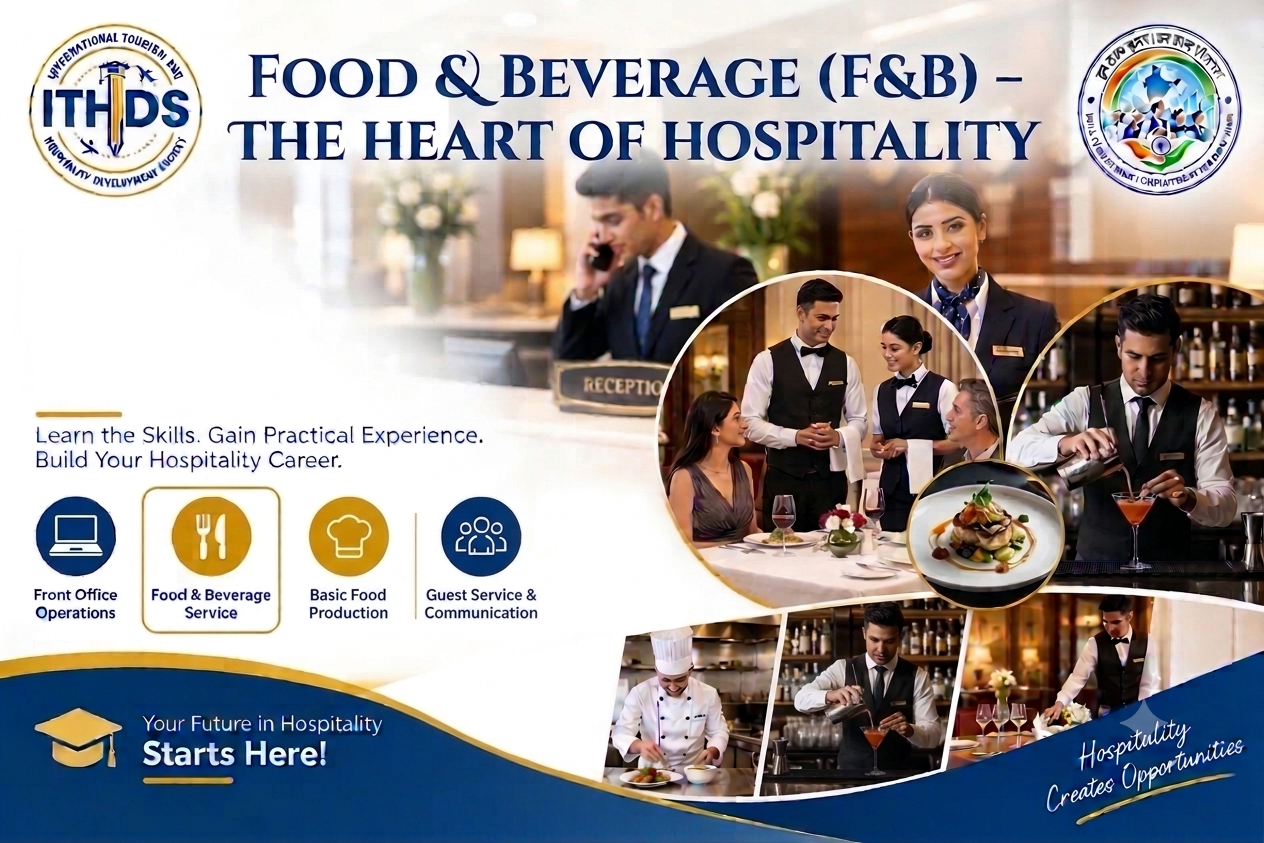
Food & Beverage (F&B) – The Heart of Hospitality

Food and Beverage

Food and Beverage, commonly known as F&B, is one of the most important parts of the hospitality industry. It is not only about serving food and drinks; it is about creating a pleasant experience for guests. From a morning cup of tea to a special dinner, every small detail can make a guest feel welcomed and valued.Creating memorable guest experiences through excellent food, professional service, and genuine hospitality

Hygiene and Cleanliness in F&B

Hygiene is one of the most important responsibilities in food and beverage operations. Cleanliness protects guests, supports food safety, and maintains the reputation of the establishment.

F&B professionals should wash their hands properly, maintain personal hygiene, use clean equipment, follow safe food-handling procedures, and keep work areas clean.

Food should be stored at appropriate temperatures, and raw and ready-to-eat foods should be handled separately to reduce the risk of contamination. Tables, kitchen surfaces, utensils, and service equipment must be cleaned and maintained according to food safety procedures.

A hygienic environment builds customer trust and contributes to a better dining experience.

Customer Satisfaction Comes First

Customer satisfaction is the heart of the hospitality industry. In Food & Beverage (F&B), friendly service, quality food, cleanliness, and professional behaviour make guests feel welcome. When customers enjoy their experience, they are more likely to return and recommend the restaurant to others.

In the F&B industry, customer satisfaction is extremely important. Guests may forget exactly what they ordered, but they are likely to remember how they were treated.Simple things such as greeting guests warmly, listening carefully to their requirements, serving food properly, and responding politely to complaints can make a big difference.

AFSG HR CONSULTANT

F&B