6 Months Housekeeping Training Program – Start Your International Hotel Career with ITHDS

Introduction

Are you looking for a good career opportunity in the hotel and hospitality industry? Do you dream of working in an international hotel and building a successful future abroad? If yes, housekeeping can be a great career option for you.

The hospitality industry is growing every year, and hotels need trained and hardworking professionals to provide guests with a clean, comfortable and welcoming environment. Housekeeping is one of the most important departments in a hotel because cleanliness and guest satisfaction are closely connected.

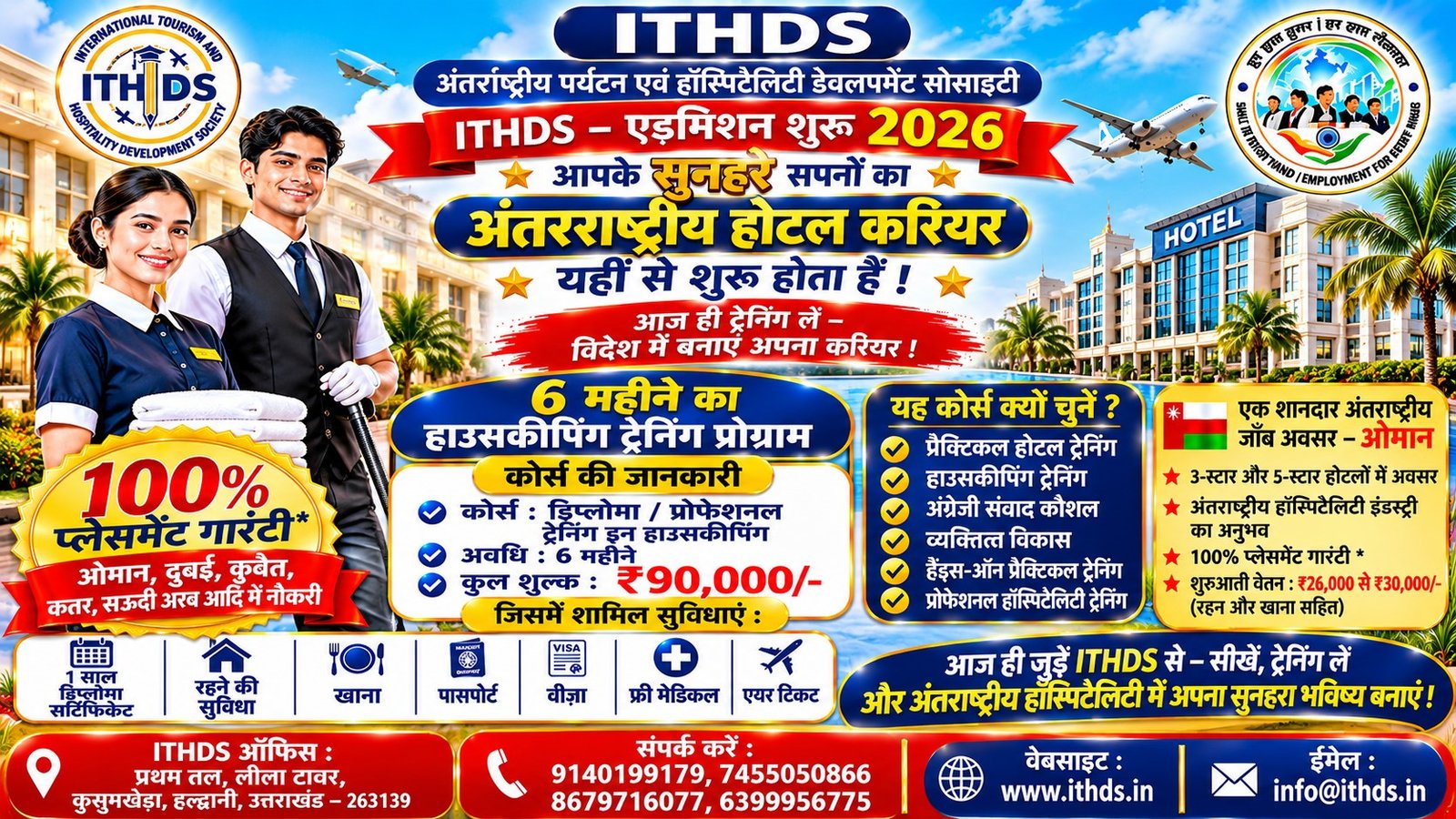
The International Tourism and Hospitality Development Society (ITHDS) is offering a 6 Months Housekeeping Training Program for students who want to learn professional hotel housekeeping skills and prepare themselves for international hospitality job opportunities.

The main aim of this program is to provide practical training, professional knowledge and career guidance so that students can understand the real working environment of hotels.

What Is Housekeeping in the Hotel Industry?

Housekeeping is an important department in every hotel. Its main responsibility is to maintain cleanliness, hygiene and the overall appearance of guest rooms and public areas.

When guests enter a hotel, they expect clean rooms, fresh bedsheets, hygienic bathrooms and a comfortable atmosphere. The housekeeping team works behind the scenes to make sure these expectations are fulfilled.

Housekeeping staff are responsible for:

  • Cleaning and maintaining guest rooms.
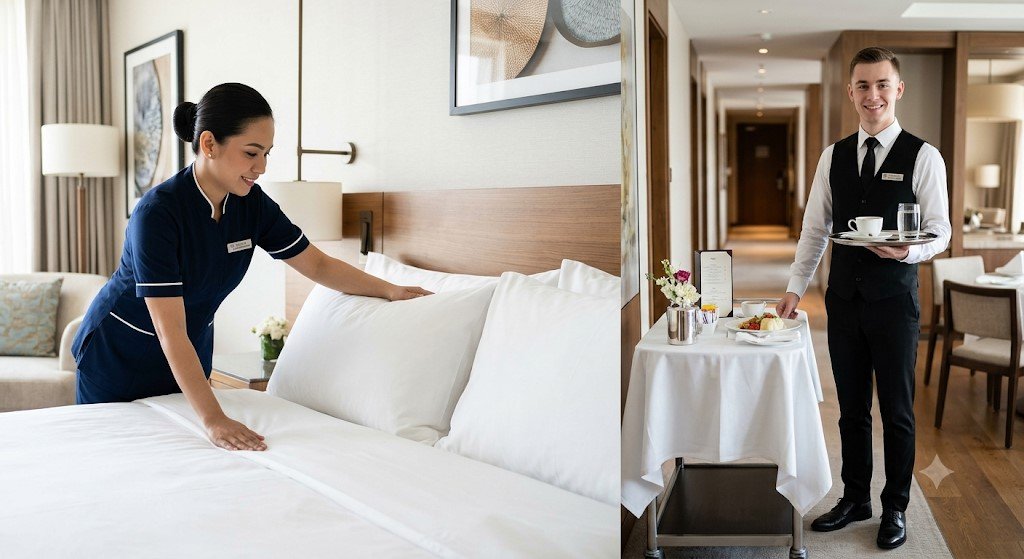
  • Changing bedsheets, pillow covers and towels.
  • Cleaning bathrooms and maintaining hygiene.
  • Keeping hotel corridors and public areas clean.
  • Arranging room amenities for guests.
  • Reporting maintenance problems.
  • Handling guest requests professionally.
  • Maintaining cleanliness and safety standards.

A good housekeeping professional always pays attention to small details and understands the importance of guest satisfaction.

Why Choose a Housekeeping Career?

Housekeeping is not just about cleaning rooms. It is about maintaining hotel standards, creating a comfortable environment and making guests feel welcome.

There are many reasons why students choose housekeeping as a career.

1. International Career Opportunities

Hotels in different countries require trained housekeeping professionals. With the right skills, practical knowledge and experience, students can explore opportunities in international hospitality markets.

2. Practical Learning

Housekeeping requires practical knowledge. Students learn how to clean rooms, arrange beds, handle cleaning equipment and maintain professional hotel standards.

3. Professional Development

Working in housekeeping helps students develop discipline, time management, teamwork, communication and problem-solving skills.

4. Career Growth

With experience and good performance, housekeeping professionals can progress towards senior positions such as Room Attendant, Housekeeping Supervisor and Executive Housekeeper.

About the ITHDS 6 Months Housekeeping Training Program

ITHDS provides a professional housekeeping training opportunity for students who want to build their future in the hospitality industry.

The six-month program focuses on practical hotel housekeeping skills and professional development. Students get an opportunity to understand hotel operations and prepare for the responsibilities of housekeeping jobs.

Course Details

  • Institute: International Tourism and Hospitality Development Society (ITHDS)
  • Course: Diploma / Professional Training in Housekeeping
  • Training Duration: 6 Months
  • Total Course Fee: ₹90,000
  • Minimum Age: 20 Years
  • Accommodation: Included
  • Food: Included
  • Passport:Included
  • Visa: Included
  • Pre Medical : Included
  • Air Ticket :- Included

The course package also mentions passport, visa, free medical support and air ticket facilities. Students should confirm the applicable conditions and documentation requirements with the institute before admission.

What Will Students Learn During Training?

The training program focuses on developing the practical skills required to work in a professional hotel environment.

1. Guest Room Cleaning

Students learn the correct methods of cleaning guest rooms, arranging furniture, making beds and preparing rooms for new guests.

2. Bed Making

Bed making is an important housekeeping skill. Students learn how to arrange bedsheets, pillow covers, blankets and other room accessories neatly.

3. Bathroom Cleaning

Clean bathrooms are essential for guest comfort and hygiene. Students learn proper bathroom cleaning methods and the safe use of cleaning materials.

4. Cleaning Equipment and Chemicals

Students become familiar with different housekeeping tools, cleaning equipment and chemicals. They also learn the importance of using cleaning products safely.

5. Public Area Cleaning

Hotels have many common areas, such as reception areas, corridors, lifts, restaurants and lobbies. Students learn how to maintain these spaces properly.

6. Guest Handling and Communication

Good communication is important in hospitality. Students learn how to respond politely to guest requests and communicate professionally with other hotel departments.

7. Hotel Safety and Hygiene

Students learn the importance of personal hygiene, workplace safety and maintaining cleanliness according to hotel standards.

International Job Opportunities in Oman

One of the opportunities highlighted in the ITHDS admission advertisement is international employment in Oman.

Oman has a hospitality sector that includes hotels, resorts and other accommodation businesses. These establishments require trained employees to maintain their daily operations and provide quality guest services.

Students interested in working abroad can prepare themselves by developing practical skills, professional behaviour and a basic understanding of international hotel standards.

The advertised opportunities include work in 3-star and 5-star hotels, subject to employer requirements and selection.

Why Consider Working in Oman?

  • Opportunity to gain international work experience.
  • Exposure to professional hotel operations.
  • Chance to improve communication skills.
  • Opportunity to learn international hospitality standards.
  • Experience of working with people from different backgrounds.

The advertisement mentions an initial salary range of ₹26,000 to ₹30,000 per month, including food and accommodation. Actual salary, benefits, job role and employment conditions depend on the employer and written job offer.

Who Can Join This Training Program?

This program may be suitable for students who:

  • Have an interest in hotel management and hospitality.
  • Want to develop practical housekeeping skills.
  • Are interested in working in hotels and resorts.
  • Want to explore international job opportunities.
  • Are willing to learn and work in a professional environment.
  • Meet the advertised minimum age requirement of 20 years.

Both fresh candidates and individuals interested in developing their hospitality skills can contact ITHDS for admission guidance and eligibility details.

Why Choose ITHDS?

Choosing the right training institute is an important step towards building a successful career.

ITHDS focuses on practical hospitality training and professional skill development. The objective is to help students understand hotel operations and prepare for real workplace responsibilities.

Students can benefit from:

  • Six months of housekeeping training.
  • Practical hotel housekeeping knowledge.
  • Professional skill development.
  • Guidance about international hospitality opportunities.
  • Food and accommodation as mentioned in the course package.
  • Support and information regarding the advertised Oman job opportunities.

Build Your Future with the Right Skills

A successful career does not happen in one day. It starts with learning, practice, dedication and the right guidance.

If you want to work in the hotel industry, housekeeping can be a good starting point. By learning professional cleaning techniques, guest handling, room preparation and hotel standards, you can develop skills that are useful in the hospitality sector.

ITHDS invites interested students to explore its 6 Months Housekeeping Training Program and take the first step towards a professional hospitality career.

Conclusion

The hospitality industry offers opportunities for people who are hardworking, responsible and willing to learn. Housekeeping plays a major role in maintaining hotel quality and guest satisfaction.

Through its six-month housekeeping training program, ITHDS aims to prepare students with practical knowledge and professional skills for the hotel industry.

If your dream is to work in an international hotel, start by learning the right skills today. Your journey towards a brighter hospitality career can begin with ITHDS.

Join ITHDS – Learn Today, Work Professionally Tomorrow, and Build Your Future in Hospitality!

Contact ITHDS for Admission 2026

International Tourism and Hospitality Development Society (ITHDS)

Office Address: First Floor, Leela Tower, Kusumkhera, Haldwani, Uttarakhand – 263139

Contact Numbers:

  • 7455050866
  • 8679716077
  • 6399956775
  • 9140199179

Website: www.ithds.in

Email: info@ithds.in

Note: International placement, salary, visa, travel and other benefits are subject to eligibility, employer selection, applicable rules and the written terms of employment. Please verify all details before enrolment.
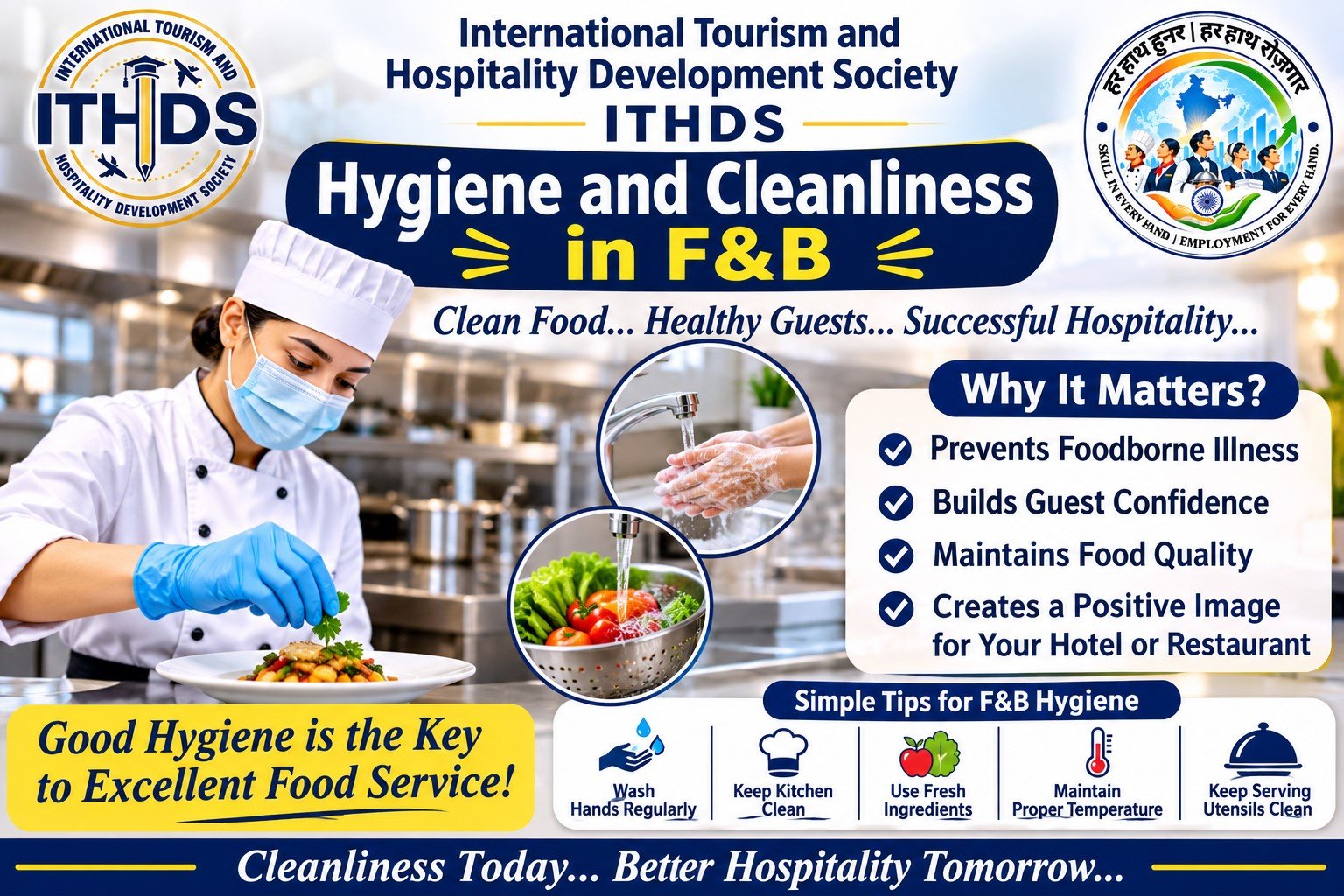
Hygiene and Cleanliness in Food & Beverage (F&B) – The Key to Guest Satisfaction

Hygiene and cleanliness are among the most important parts of the Food and Beverage (F&B) department in the hotel industry. When guests visit a hotel, restaurant, café or resort, they expect not only delicious food but also a clean environment, fresh ingredients and safe food handling.

Imagine visiting a restaurant where the tables are dirty, glasses are not properly washed, or the staff are not wearing clean uniforms. Even if the food tastes good, you may not feel comfortable eating there. This is why cleanliness plays such an important role in creating a positive dining experience.

In the hospitality industry, good hygiene is not just about keeping things clean. It is about protecting guests’ health, maintaining food quality and building trust.

1. What is Hygiene and Cleanliness in F&B?

Hygiene and cleanliness in Food and Beverage refer to maintaining proper cleanliness while preparing, cooking, storing, serving and handling food and drinks.

It includes keeping the kitchen, restaurant, dining tables, cooking equipment, cutlery, crockery and glassware clean and hygienic.

Every employee working in the F&B department has a responsibility to follow hygiene practices and maintain a safe environment for guests.

2. Importance of Hygiene and Cleanliness in F&B

Cleanliness directly affects the reputation and success of a hotel or restaurant.

The major benefits include:

  1. Guest Health and Safety: Proper hygiene helps protect guests from food contamination and foodborne illnesses.
  2. Customer Satisfaction: Guests feel comfortable when they see clean tables, fresh food and hygienic service.
  3. Good Restaurant Reputation: Cleanliness creates a positive impression and encourages guests to visit again.
  4. Food Quality: Proper storage and handling help maintain the freshness and quality of food.
  5. Professional Image: Clean uniforms, organised workstations and hygienic service reflect professionalism.
  6. Better Business: Satisfied guests are more likely to recommend the restaurant to friends and family.

3. Personal Hygiene for F&B Staff

Personal hygiene is very important for every employee working in a hotel restaurant, kitchen or food service area.

F&B employees should follow these basic practices:

  • Wash hands properly before handling food.
  • Wear a clean and properly ironed uniform.
  • Keep fingernails short and clean.
  • Wear a clean hairnet or suitable head covering where required.
  • Avoid wearing unnecessary jewellery while handling food.
  • Maintain oral hygiene and personal cleanliness.
  • Cover cuts and wounds with suitable waterproof dressings.
  • Never handle food when suffering from an illness that could contaminate it.

A professional F&B employee always understands that personal cleanliness is part of good customer service.

4. Kitchen Hygiene and Food Safety

The kitchen is one of the most important areas where hygiene must be maintained. Food is prepared, cooked and stored here, so even a small mistake can affect food safety.

Important kitchen hygiene practices include:

  • Clean kitchen floors, walls and working surfaces regularly.
  • Wash and sanitise food preparation equipment.
  • Keep raw and cooked food separate.
  • Use separate chopping boards for different food items.
  • Store food at appropriate temperatures.
  • Keep dustbins covered and empty them regularly.
  • Protect food from insects, pests and contamination.
  • Check food quality and expiry dates before use.

Remember: A clean kitchen is the foundation of safe and quality food service.

5. Cleanliness of Cutlery, Crockery and Glassware

Cutlery, crockery and glassware are directly used by guests. Therefore, they must be properly washed, sanitised, dried and stored.

ItemsHygiene practices
CutleryWash, sanitise and dry properly
CrockeryCheck plates and bowls for stains or cracks
GlasswareEnsure glasses are clean and free from fingerprints
Serving traysClean and sanitise after use
Table linenUse fresh and clean napkins and tablecloths

Before serving guests, F&B staff should always check that all service items are clean and ready to use.

6. Restaurant and Dining Area Cleanliness

The restaurant dining area creates the first impression on guests. A clean and well-organised restaurant makes guests feel comfortable and welcome.

Employees should:

  • Clean dining tables after every guest.
  • Arrange chairs and tables properly.
  • Keep floors dry and clean.
  • Replace dirty tablecloths and napkins.
  • Clean menus regularly.
  • Maintain clean washrooms.
  • Keep proper ventilation and a fresh atmosphere.
  • Ensure waste bins are clean and covered.

A clean dining area shows that the restaurant cares about its guests.

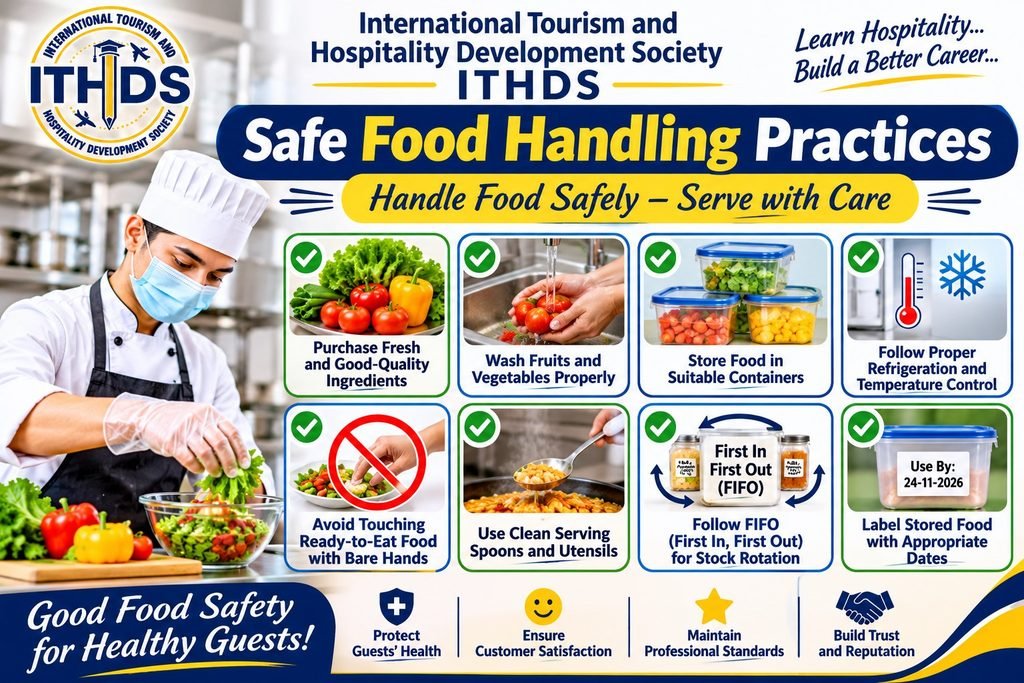
7. Safe Food Handling Practices

Food handling is another important responsibility of the F&B department. Employees must understand how to handle food safely from storage to final service.

Some important practices are:

  • Purchase fresh and good-quality ingredients.
  • Wash fruits and vegetables properly with safe water.
  • Store food in suitable containers.
  • Follow proper refrigeration and temperature-control procedures.
  • Avoid touching ready-to-eat food with bare hands.
  • Use clean serving spoons and utensils.
  • Follow FIFO (First In, First Out) for stock rotation.
  • Label stored food with appropriate dates.

These practices help reduce food contamination and maintain food quality.

8. Common Hygiene Mistakes in F&B

Sometimes employees make small mistakes that can create serious hygiene problems.

Common mistakeCorrect practice
Not washing handsWash hands at appropriate times
Wearing dirty uniformsWear clean uniforms daily
Using dirty utensilsClean and sanitise utensils
Mixing raw and cooked foodKeep them separate
Leaving food uncoveredCover and protect food
Ignoring waste disposalDispose of waste properly
Using expired ingredientsCheck expiry and use-by dates

Avoiding these mistakes helps maintain professional standards.

9. Role of Hotel Management Students in Maintaining Hygiene

Students studying Hotel Management should develop good hygiene habits from the beginning of their training.

During practical classes, they should learn:

  • Kitchen cleanliness and sanitation.
  • Restaurant setup and table cleaning.
  • Personal grooming standards.
  • Safe food preparation and handling.
  • Cleaning and polishing cutlery, crockery and glassware.
  • Proper waste management.
  • Food storage and stock rotation.

At ITHDS, practical learning can help students understand the importance of cleanliness and prepare them for professional responsibilities in hotels, restaurants, resorts and other hospitality businesses.

10. How Hygiene Improves Guest Experience

Guests remember more than just the taste of the food. They also notice the cleanliness of the restaurant, the appearance of employees and the way food is served.

When guests find clean tables, hygienic food, polished cutlery and professional staff, they feel confident about the establishment.

Good hygiene creates trust, improves customer satisfaction and encourages repeat visits.

11. Daily Hygiene Checklist for F&B Employees

  • Wear a clean uniform.
  • Maintain personal grooming.
  • Wash hands properly.
  • Clean and sanitise workstations.
  • Check cutlery, crockery and glassware.
  • Keep food covered and stored safely.
  • Maintain clean dining tables.
  • Dispose of waste properly.
  • Keep floors and washrooms clean.
  • Follow food safety procedures.

Conclusion

Hygiene and cleanliness are not optional activities in the Food and Beverage department; they are essential responsibilities. A successful restaurant is not only known for delicious food but also for its cleanliness, food safety and quality of service.

Every hotel employee, from kitchen staff to restaurant service staff, plays an important role in maintaining hygiene standards.

For Hotel Management students, learning cleanliness and food safety practices is an important step towards becoming skilled and professional hospitality employees.

Remember: Clean Food, Safe Service and Happy Guests are the foundation of successful hospitality.

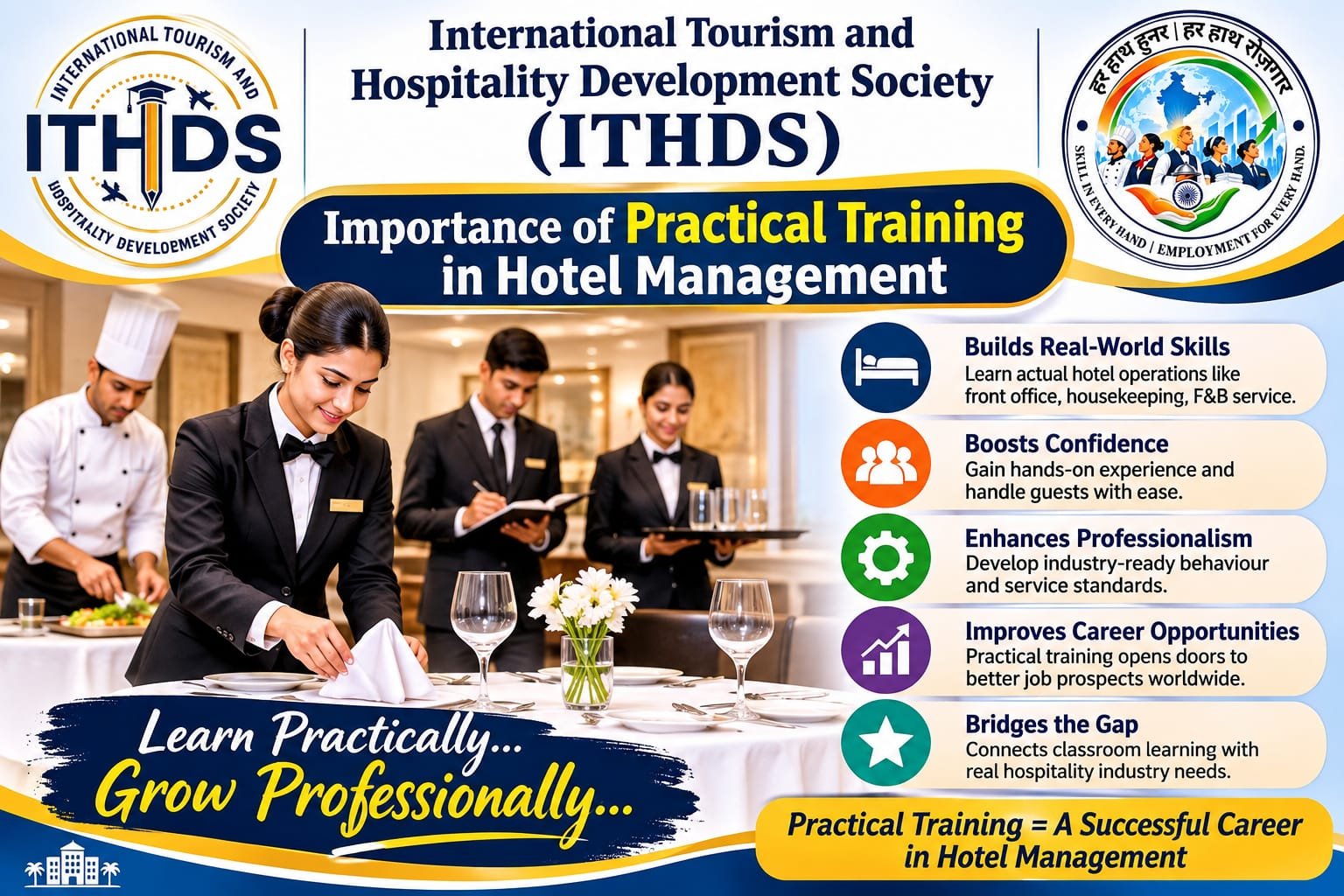
Importance of Practical Training in Hotel Management

Hotel management is not just about reading books or learning theories in a classroom. It is about learning how to work in real hotel environments, communicate with guests, manage daily activities and provide excellent customer service.

Practical training plays an important role in building a successful career in the hospitality industry. It helps students understand how hotels, restaurants and resorts work in real life.

Why Is Practical Training Important in Hotel Management?

Practical training gives students an opportunity to learn by doing. Instead of only studying different hotel departments, students get hands-on experience with equipment, tools and professional working methods.

Here are some important benefits of practical training.

1. Develops Professional Skills

Students learn important skills such as communication, teamwork, time management, personal grooming and guest handling. These skills help them become confident hospitality professionals.

2. Understanding Hotel Departments

Practical training helps students understand the daily work of different hotel departments:

  • Front Office: Guest reception, reservations and check-in/check-out.
  • Food & Beverage Service: Restaurant service, table setup and guest handling.
  • Housekeeping: Room cleaning, bed making and maintaining cleanliness.
  • Food Production: Basic cooking methods, kitchen operations and food safety.

3. Builds Confidence

Working with real equipment and practising hotel activities helps students become more confident. They learn how to communicate with guests and handle different situations professionally.

4. Improves Job Opportunities

Hotels and restaurants look for candidates who have both theoretical knowledge and practical skills. Practical training helps students become more prepared for interviews and workplace responsibilities.

5. Teaches Teamwork and Discipline

The hospitality industry depends on teamwork. During practical sessions, students learn to work together, follow instructions, maintain discipline and complete tasks on time.

6. Provides Real Industry Exposure

Practical learning helps students understand professional standards, workplace behaviour and the expectations of the hospitality industry.

How ITHDS Helps Students Learn Practical Skills

At the International Tourism and Hospitality Development Society (ITHDS), Haldwani, the focus is on developing hospitality knowledge and practical skills.

Students are encouraged to understand hotel operations, improve their communication and grooming, and develop the confidence required to work in the hospitality industry.

The aim is to prepare students for real career opportunities in hotels, restaurants, resorts and other hospitality businesses.

Conclusion

Practical training is one of the most important parts of hotel management education. It turns classroom knowledge into real working skills and prepares students for professional life.

Remember: The best way to learn hospitality is not just to study it, but to practise it.

Start Your Hospitality Journey with ITHDS

Learn, Practise and Build Your Future in the Hospitality Industry.

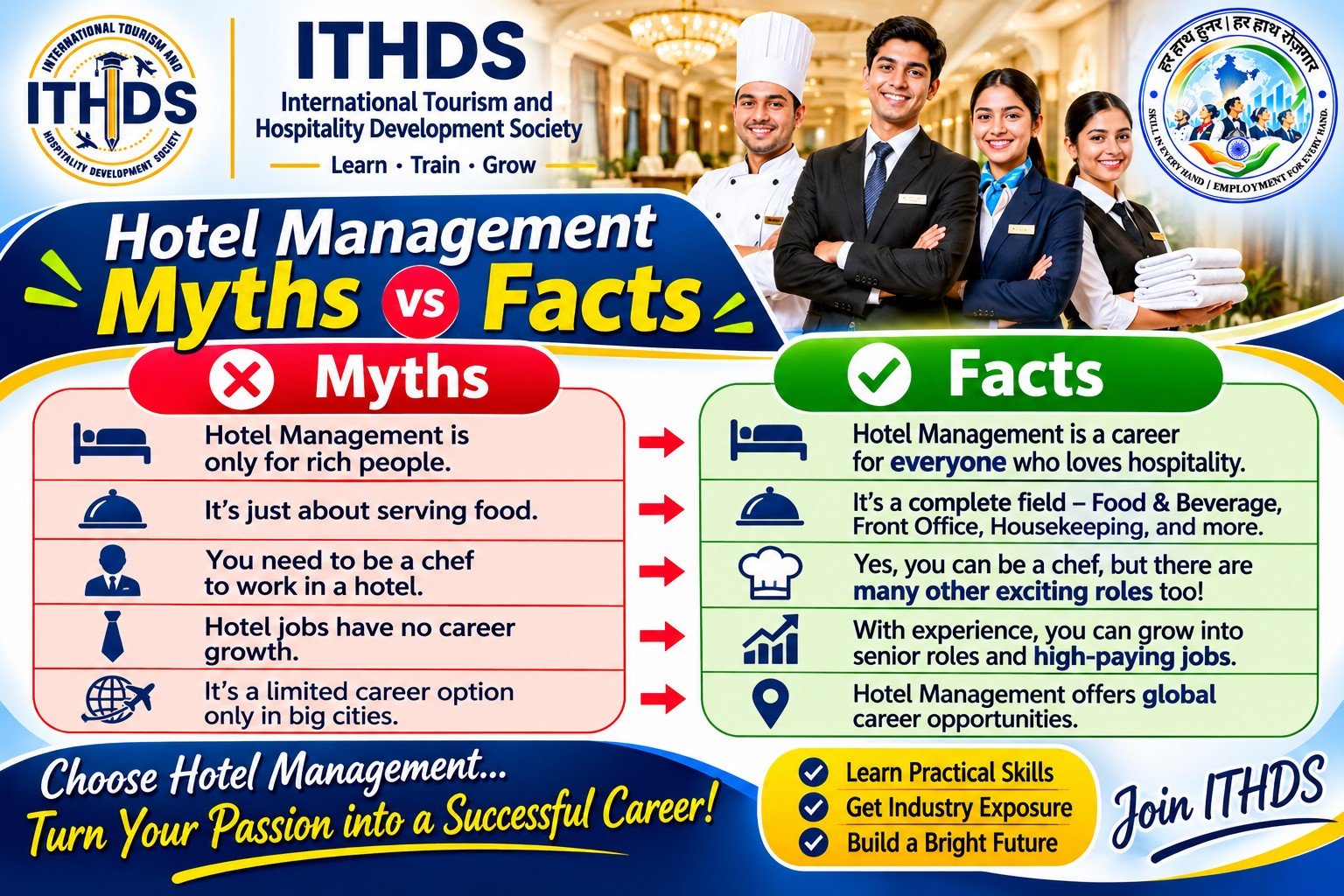
Hotel Management Myths vs Facts – Know the Truth About a Hotel Management Career

Many students think that hotel management is only about cooking food or working in hotels. But the truth is that hotel management is a much bigger field with many exciting career opportunities.

Hotel management is a professional course that teaches students how to manage hotels, restaurants, resorts, guest services, food production, housekeeping and front office operations.

Let’s understand some common myths about hotel management and discover the real facts.

Common Myths vs Facts About Hotel Management

MythsFacts
Hotel management is only about cooking.It includes Front Office, Housekeeping, Food & Beverage Service and Food Production.
Only rich students can study hotel management.Students from different educational and financial backgrounds can explore hospitality education.
There are no good career opportunities.Students can explore jobs in hotels, resorts, restaurants, airlines, cruise lines and tourism.
Hotel jobs have no growth.With experience and skills, employees can move into supervisory and management positions.
Only girls can work in housekeeping.Both boys and girls can build careers in every hotel department.
Hotel management is an easy course.It requires practical skills, discipline, teamwork and professional behaviour.
English is compulsory to start a career.Communication skills are important and can be improved through practice and training.

Why Choose Hotel Management?

Hotel management is a great option for students who enjoy meeting people, learning practical skills and working in a professional environment.

Some major benefits include:

  1. Practical and skill-based learning.
  2. Opportunities to work in different hospitality departments.
  3. Career opportunities in India and abroad.
  4. Personal development and confidence building.
  5. Opportunities for career growth with experience.

Career Opportunities After Hotel Management

Students can explore different career options, such as:

  • Front Office Executive
  • Chef or Kitchen Assistant
  • Housekeeping Associate
  • Restaurant Service Staff
  • Guest Relations Executive
  • Hotel Supervisor
  • Food & Beverage Executive

Conclusion

Hotel management is not just about serving food or welcoming guests. It is about professionalism, teamwork, communication and creating memorable guest experiences.

Do not believe every myth you hear. Understand the facts, develop your skills and choose a career that matches your interests.

Your future in hospitality starts with the right skills and the right training!

Importance of Teamwork in Hotels – Building a Successful Hospitality Team

Introduction

The hotel industry is all about making guests feel comfortable, happy, and welcome. But providing excellent service is not the job of just one person. It requires the combined efforts of different hotel departments and employees.

This is where teamwork plays an important role in the hotel industry. From the front office and housekeeping to the food and beverage department and kitchen, every team member works together to make a guest’s experience memorable.

What is Teamwork in Hotels?

Teamwork in hotels means working together, sharing responsibilities, helping colleagues, and supporting each other to achieve common goals.

For example, when a guest checks into a hotel, the front office team welcomes them, housekeeping prepares a clean room, the kitchen prepares food, and the service team ensures a pleasant dining experience.

All these departments work together to provide smooth and professional hotel service.

Importance of Teamwork in the Hotel Industry

1. Better Guest Satisfaction: When employees work together, guests receive faster, friendlier, and better service.

2. Smooth Hotel Operations: Good coordination between departments helps daily hotel activities run smoothly.

3. Quick Problem Solving: Team members can support each other and solve guest complaints or unexpected situations quickly.

4. Better Communication: Sharing information between departments reduces mistakes and misunderstandings.

5. Positive Working Environment: Teamwork creates trust, respect, confidence, and a friendly atmosphere among employees.

6. Improved Productivity: When everyone understands their responsibilities, work becomes easier and more efficient.

Teamwork Between Different Hotel Departments

Hotel DepartmentTeamwork Responsibilities
Front OfficeCommunicates guest requirements and room information
HousekeepingPrepares clean and comfortable guest rooms
Food & BeverageProvides quality food and professional service
KitchenCoordinates food preparation and timely orders
MaintenanceHandles repairs and technical problems
SecurityMaintains guest and staff safety

Qualities of a Good Team Member

  • Good communication skills
  • Positive attitude
  • Time management
  • Cooperation and respect
  • Problem-solving ability
  • Responsibility and discipline
  • Willingness to help others

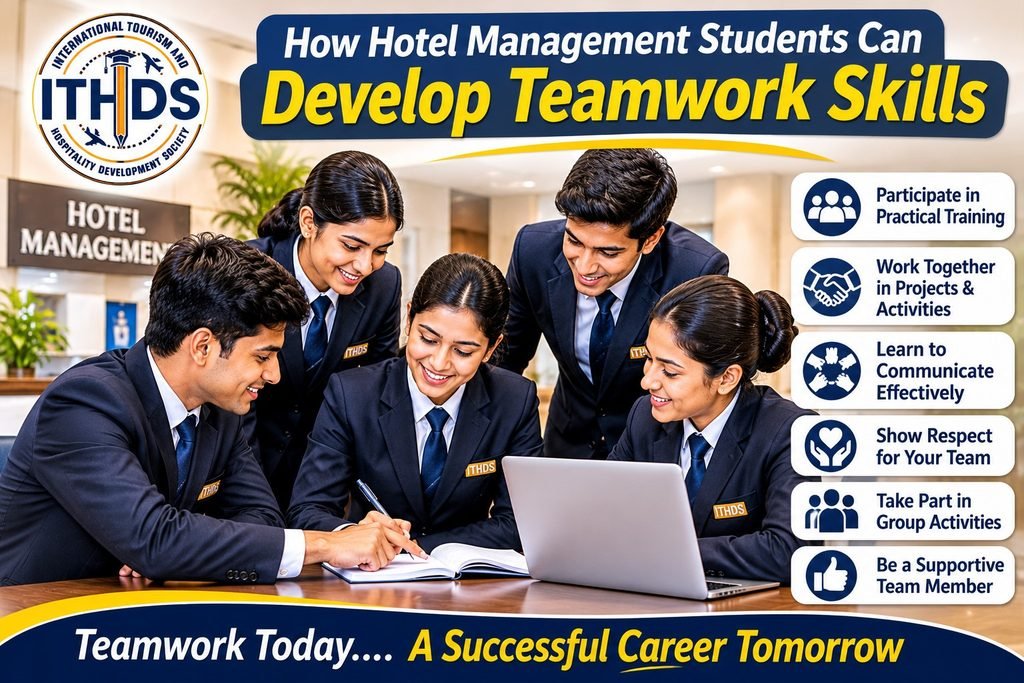
How Hotel Management Students Can Develop Teamwork Skills

Students learning hotel management should develop teamwork skills from the beginning of their training.

They can improve these skills through:

  • Participating in practical hotel training.
  • Working together during restaurant and kitchen activities.
  • Taking part in housekeeping practical sessions.
  • Participating in group activities and presentations.
  • Learning to communicate politely with classmates and trainers.

Conclusion

Teamwork is one of the most important skills required for a successful career in the hotel industry. A hotel becomes successful when all employees understand their responsibilities and support one another.

Remember, a successful hotel is not built by one person; it is built by a strong team working together.

At ITHDS (International Tourism and Hospitality Development Society), students can learn the importance of teamwork through hospitality education, practical activities, and professional skill development.

🤝 Great Hospitality Starts with Great Teamwork!

A successful hotel is built by people who support, respect, and work together. Teamwork creates happy guests and successful careers in hospitality.

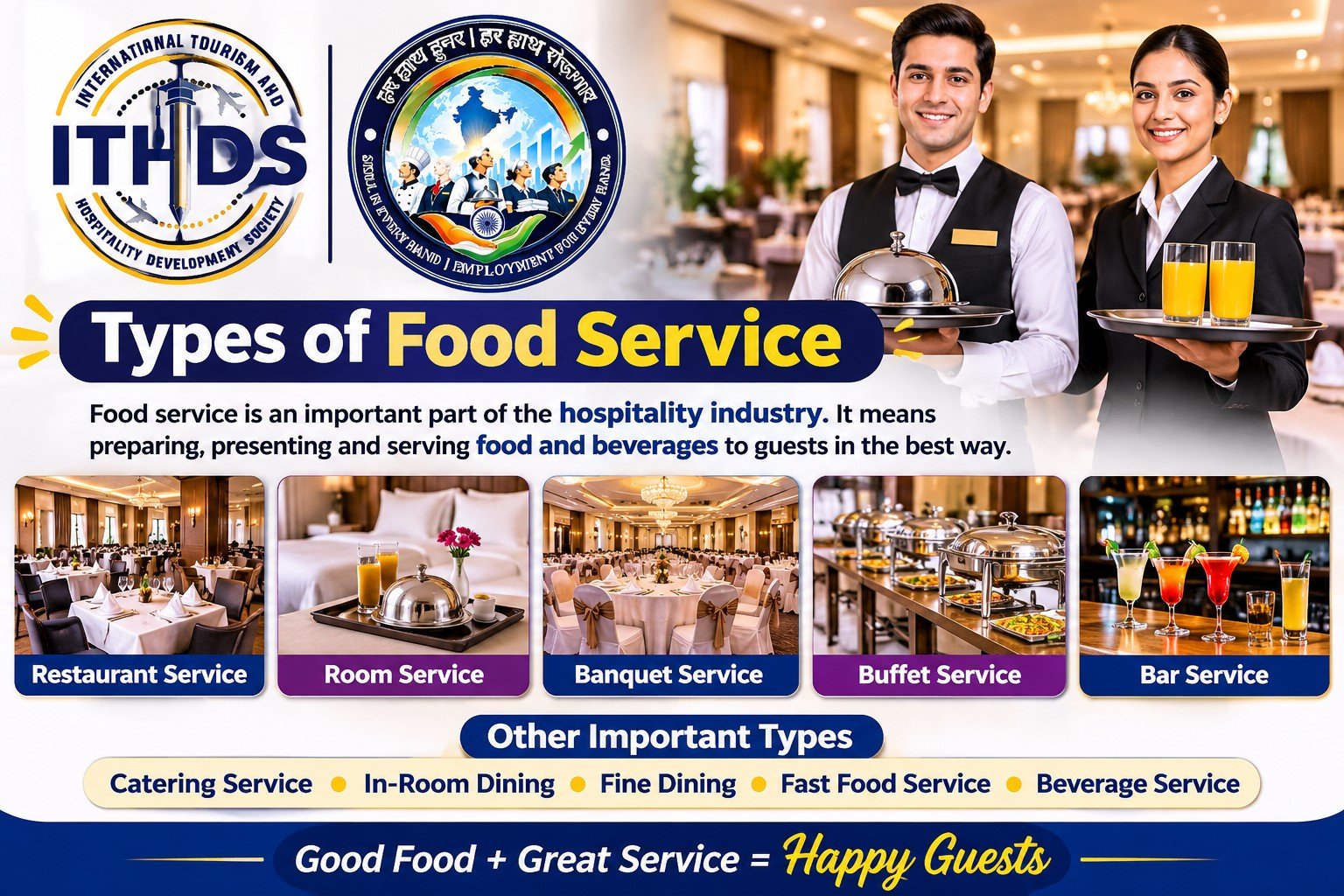
Types of Food Service in the Hospitality Industry

Food service is one of the most important parts of the hotel and hospitality industry. It is all about preparing, presenting, and serving food and beverages to guests in a professional and friendly manner.

Whether we visit a luxury hotel, restaurant, café, resort, or attend a special event, food service plays an important role in creating a good guest experience.

There are different types of food service followed by hotels and restaurants. Each type has its own style, service method, and importance.

1. Main Types of Food Service

Types of Food Service in the Hospitality Industry

1. Table Service

Table service is a common type of food service in hotels and restaurants. Guests sit at a table, and trained staff take their orders and serve food directly to them.

Examples: Fine dining restaurants, luxury hotels and family restaurants.

2. Buffet Service

In buffet service, different food items are arranged on a table or counter. Guests can choose their favourite dishes and serve themselves.

Examples: Hotel breakfast, wedding functions and special events.

3. Self-Service

In self-service, guests collect their food and beverages from a counter without waiting for a waiter to serve them.

Examples: Food courts, cafeterias and college canteens.

4. Room Service

Room service allows hotel guests to enjoy food and beverages in the comfort of their rooms. Guests can place their orders through the telephone or hotel ordering system.

Examples: Breakfast in the room, dinner orders and late-night food service.

5. Cafeteria Service

Cafeteria service is a simple and quick method of serving food. Guests select food from a counter and pay before or after collecting their meals.

Examples: Schools, colleges, offices and hospitals.

6. Banquet Service

Banquet service is provided for special occasions and large gatherings. Food is served to guests during weddings, conferences, birthday parties and other celebrations.

Examples: Wedding receptions, corporate meetings and hotel events.

7. Fast Food Service

Fast food service focuses on preparing and serving food quickly. It is suitable for customers who want a quick meal.

Examples: Burgers, pizzas, sandwiches and French fries.

8. Takeaway Service

Takeaway service allows customers to order food, collect it from the restaurant and enjoy it somewhere else.

Examples: Restaurant takeaway counters and food delivery orders.

2. Importance of Food Service in Hotels

Food service is important because it helps hotels provide a comfortable and enjoyable experience to their guests.

  • Guest Satisfaction: Good food and friendly service make guests happy.
  • Professional Skills: Staff learn communication, teamwork and customer-handling skills.
  • Hygiene and Cleanliness: Proper food handling keeps food safe and healthy.
  • Hotel Reputation: Quality food service creates a positive impression of the hotel.
  • Career Opportunities: Food service offers job opportunities in hotels, restaurants, resorts and catering businesses.

3. Skills Required for Food Service Staff

A successful food service professional should have:

  1. Good communication skills.
  2. Personal grooming and hygiene.
  3. Knowledge of food and beverages.
  4. Teamwork and coordination.
  5. Time management.
  6. Customer service skills.
  7. Positive attitude and patience.

4. Career Opportunities in Food Service

Students interested in the hospitality industry can explore different career options, such as:

  • Restaurant Captain
  • Food and Beverage Associate
  • Waiter or Steward
  • Restaurant Supervisor
  • Banquet Staff
  • Restaurant Manager
  • Food and Beverage Manager

Conclusion

Food service is more than just serving food. It is about making guests feel comfortable, respected and satisfied. Every type of food service has its own importance in the hospitality industry.

Learning different food service methods helps students develop practical knowledge and build a successful career in hotels, restaurants, resorts and catering businesses.

At International Tourism and Hospitality Development Society (ITHDS), students can learn about hospitality operations and develop the practical skills needed to grow in the hotel industry.

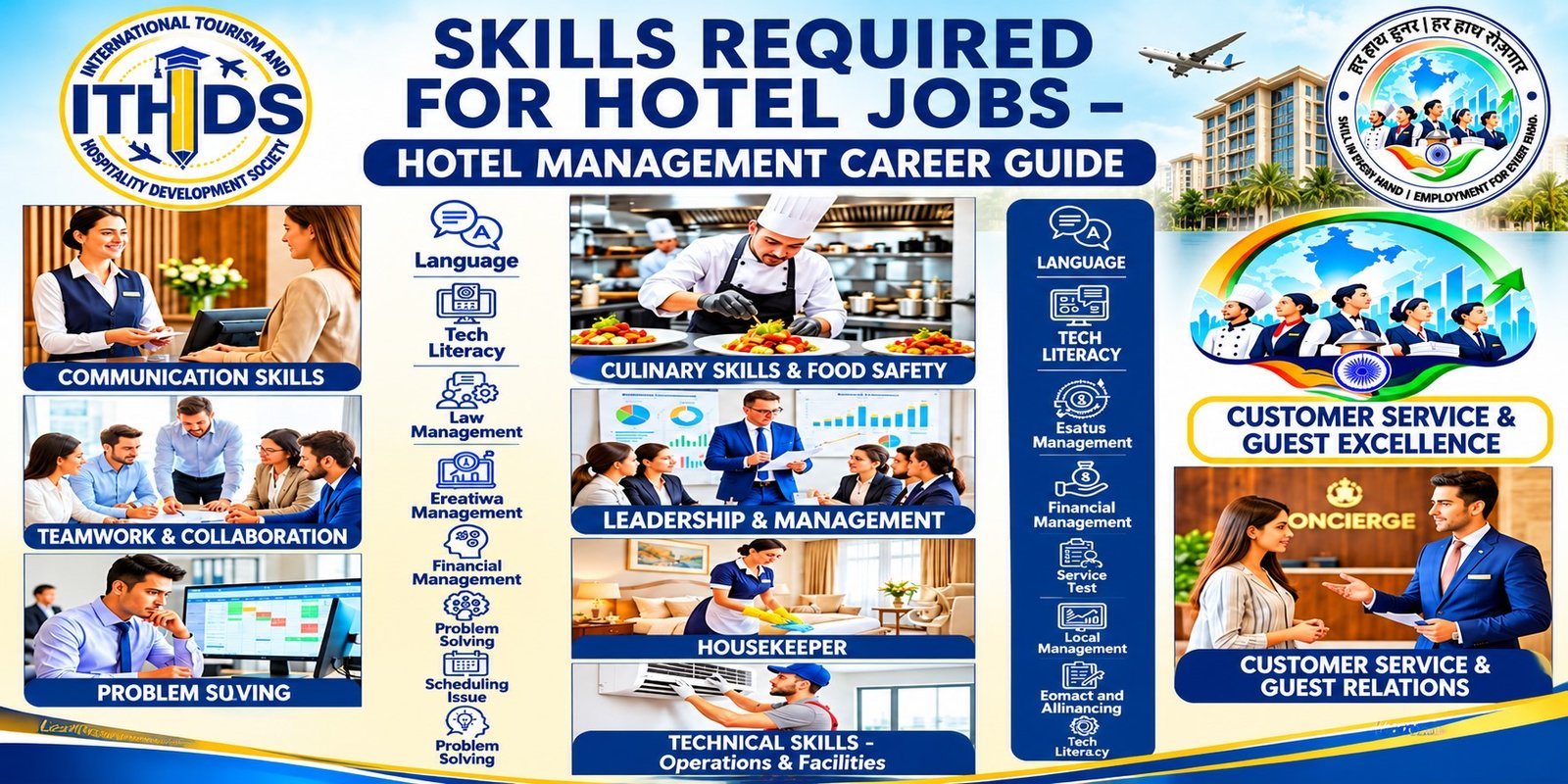
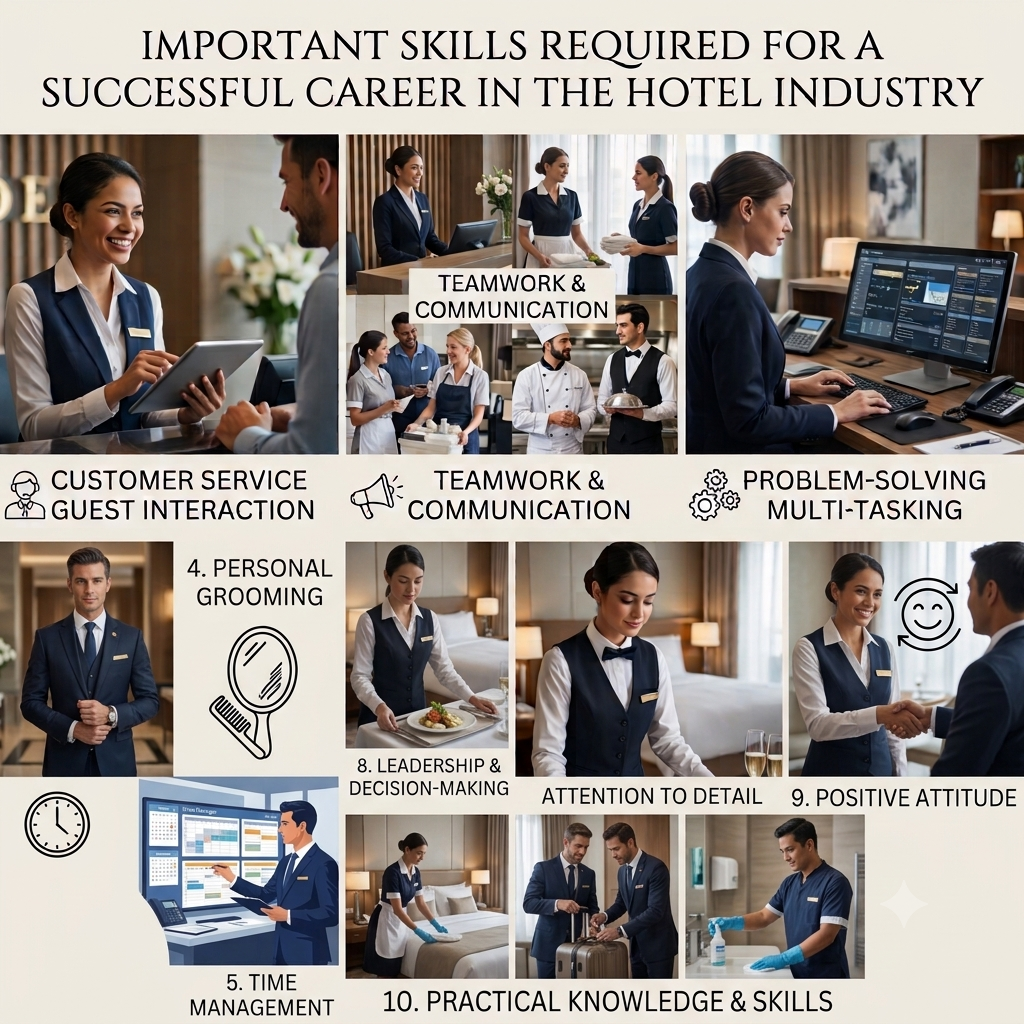
Skills Required for Hotel Jobs – Hotel Management Career Guide

The hotel industry is one of the most exciting career options for students who enjoy meeting new people, helping others, and working in a professional environment. Hotels are not just about rooms and food; they are about making guests feel comfortable, welcomed, and happy.

To get a good job in a hotel, having a hotel management degree or diploma is helpful, but practical skills, confidence, and a positive attitude are equally important.

Let’s understand the important skills required to build a successful career in the hotel industry.

S.No.Important SkillsWhy These Skills Are Important
1Communication SkillsTo speak politely and communicate with guests.
2Personal GroomingTo maintain a clean, smart, and professional appearance.
3Customer ServiceTo understand guest needs and provide better service.
4TeamworkTo work smoothly with different hotel departments.
5Time ManagementTo complete daily tasks on time.
6Problem-SolvingTo handle guest complaints and difficult situations.
7Computer KnowledgeTo manage bookings, billing, and guest records.
8Leadership SkillsTo guide team members and take responsibility.
9Positive AttitudeTo stay polite, patient, and helpful at work.
10Practical KnowledgeTo understand Front Office, Housekeeping, F&B, and Food Production.

Students should understand the basic work of different hotel departments:

Hotel DepartmentImportant Skills
Front OfficeCommunication, computer knowledge, guest handling
HousekeepingCleaning, room preparation, attention to detail
Food & BeverageRestaurant service, table setup, customer handling
Food ProductionCooking, kitchen hygiene, food preparation
Hotel ManagementLeadership, planning, teamwork

Career Opportunities After Hotel Management Training

After learning these skills, students can explore different job opportunities in the hospitality industry.

  • Front Office Associate
  • Receptionist
  • Guest Relations Executive
  • Housekeeping Associate
  • Restaurant Service Staff
  • Food and Beverage Associate
  • Commis Chef
  • Hotel Supervisor
  • Hotel Operations Executive

How Can Students Develop These Skills?

Students interested in hotel jobs should focus on both classroom learning and practical training.

Here are some useful tips:

  1. Practise speaking English every day.
  2. Maintain good personal grooming.
  3. Participate in practical hotel training.
  4. Learn basic computer skills.
  5. Improve confidence and communication.
  6. Understand the working of hotel departments.
  7. Develop a helpful and positive attitude.

Why Choose Hotel Management Training at ITHDS?

he International Tourism and Hospitality Development Society (ITHDS), Haldwani focuses on hospitality education and practical skill development.

Our training approach helps students understand hotel operations, improve their communication, develop professional grooming habits, and gain practical knowledge of different hotel departments.

Admissions Open for 2026

  • Course: 1-Year Diploma in Hotel Management
  • Practical-oriented learning
  • Hospitality skills development
  • Career preparation for the hotel industry

Contact ITHDS:

  • Phone: 6397405476, 9140199179
  • Website: www.ithds.in
  • Location: Haldwani, Uttarakhand

Conclusion

Getting a job in a hotel is not only about having a certificate. It is about having the right skills, confidence, discipline, and a willingness to learn. Good communication, personal grooming, teamwork, and customer service can help you build a strong future in the hospitality industry.

Remember: Good skills open the door to hotel jobs, but a good attitude helps you grow in your career!

Types of Hotels and Resorts – A Complete Guide to the Hospitality Industry

Introduction

Have you ever wondered why some hotels are very luxurious while others are simple and affordable? The hospitality industry offers different types of hotels and resorts to meet the needs of different travellers.

Some people travel for business, some for holidays, and others want to relax with their families. Every traveller looks for a comfortable place to stay, good service, cleanliness, and a welcoming environment.

Let’s understand the different types of hotels and resorts in simple language.

Main Features of Different Types of Hotels

Types of HotelsMain Features
1. Luxury HotelsPremium rooms, fine dining, swimming pools, spa and excellent guest services.
2. Budget HotelsAffordable rooms, basic facilities, cleanliness and comfortable accommodation.
3. Business HotelsMeeting rooms, Wi-Fi, conference facilities and workspaces.
4. Boutique HotelsUnique interior design, personalized services and stylish rooms.
5. Airport HotelsLocated near airports, short-stay facilities and convenient transport.
6. Heritage HotelsTraditional architecture, historical interiors and cultural experiences.
7. Extended Stay HotelsLong-term accommodation, kitchen facilities and laundry services.
8. Transit HotelsShort stays for passengers during connecting journeys.
9. MotelRoadside accommodation, parking facilities and easy vehicle access.
10. Apartment HotelsFully furnished apartments, kitchen facilities and long-term stays.
11. Casino HotelsCasino facilities, restaurants, entertainment and luxury accommodation.
12. Convention HotelsLarge conference halls, meeting rooms and event facilities.
13. Capsule HotelsSmall sleeping pods, shared facilities and affordable stays.
14. Resort HotelsAccommodation, restaurants, swimming pools and recreational activities.
15. Family HotelsFamily rooms, child-friendly facilities and recreational activities.

Main Features of Different Types of Resorts

Types of ResortsMain Features
1. Beach ResortsSea views, beach activities, swimming and water sports.
2. Hill Station ResortsMountain views, peaceful surroundings and nature activities.
3. Mountain ResortsTrekking, hiking and adventure activities.
4. Spa ResortsMassage, yoga, meditation and wellness treatments.
5. Eco-ResortsEco-friendly accommodation and sustainable tourism.
6. Adventure ResortsCamping, trekking, rafting and outdoor activities.
7. Wildlife ResortsJungle safaris, wildlife watching and nature experiences.
8. Jungle ResortsForest surroundings, nature walks and peaceful stays.
9. Desert ResortsCamel rides, desert safaris and cultural programmes.
10. Island ResortsPrivate beaches, sea activities and tropical accommodation.
11. Luxury ResortsPremium rooms, fine dining, spa and personalized services.
12. Golf ResortsGolf courses, sports facilities and luxury accommodation.
13. Ski ResortsSnow activities, skiing and winter sports.
14. Ayurveda ResortsAyurvedic treatments, yoga and traditional wellness programmes.
15. Family ResortsFamily entertainment, children’s activities and recreational facilities.

Importance of Hotels and Resorts in the Hospitality Industry

Hotels and resorts play an important role in tourism and hospitality. They provide employment opportunities and help develop the tourism sector.

They also create career opportunities in different departments, such as:

  • Front Office Department
  • Housekeeping Department
  • Food and Beverage Service
  • Food Production (Kitchen)
  • Guest Relations
  • Hotel Management

Why Should Students Learn About Different Types of Hotels?

Students who want to build a career in hotel management should understand different types of hotels and resorts.

This knowledge helps students understand hotel operations, guest requirements, service standards, and career opportunities.

At International Tourism and Hospitality Development Society (ITHDS), Haldwani, students can develop hospitality knowledge and practical skills to prepare for opportunities in the hotel and tourism industry.

Conclusion

Hotels and resorts are an important part of our travel and hospitality experiences. From luxury hotels to budget accommodation and peaceful eco-resorts, every type of property has something different to offer.

Understanding these categories is a great starting point for students who want to make a career in hotel management.

Remember, hospitality is not just about providing a room. It is about making every guest feel comfortable, welcomed, and special.

Restaurant Service Techniques – A Complete Guide for Hospitality Students

Introduction

Restaurant service is one of the most important parts of the hospitality industry. When guests visit a restaurant, they expect more than just delicious food. They also want friendly staff, quick service, a clean environment, and a comfortable dining experience.

Good restaurant service makes guests feel welcome and special. A professional restaurant staff member understands how to communicate with customers, take orders correctly, serve food properly, and handle guest requests politely.

For hotel management students, learning restaurant service techniques is very important because these skills help them build a successful career in hotels, restaurants, cafés, and resorts.

Important Restaurant Service Techniques

1. Welcoming Guests with a Smile

The first impression matters. Always welcome guests with a warm smile and a polite greeting. Make them feel comfortable when they enter the restaurant.

2. Proper Table Setup

A clean and properly arranged table creates a good impression. Cutlery, crockery, glassware, napkins, and other table accessories should be placed correctly before guests arrive.

3. Taking Orders Correctly

Listen carefully when guests place their orders. Understand their requirements, repeat the order when necessary, and communicate any special requests to the kitchen staff.

4. Serving Food Professionally

Food should be served carefully and confidently. Staff should follow the restaurant’s service style, maintain proper serving etiquette, and avoid disturbing guests while they are eating.

5. Good Communication Skills

Restaurant staff should speak politely and clearly. They should listen to guests, answer questions confidently, and handle complaints patiently.

6. Maintaining Hygiene and Cleanliness

Personal grooming, clean uniforms, washed hands, and hygienic service practices are essential. Tables should also be cleaned and prepared properly for the next guests.

7. Handling Guest Complaints

Sometimes guests may not be satisfied with the service or food. Staff should listen calmly, apologise politely when appropriate, and inform the supervisor to resolve the issue.

8. Saying Thank You to Guests

Before guests leave, thank them for visiting. A simple smile and a polite goodbye can create a lasting positive impression.

Why Are Restaurant Service Skills Important?

Restaurant service skills help students and hospitality professionals:

  • Build confidence and communication skills.
  • Provide better customer service.
  • Learn professional dining etiquette.
  • Work efficiently as part of a team.
  • Handle different types of guests.
  • Develop career opportunities in the hospitality industry.

Practical Training for Hotel Management Students

Reading about restaurant service is helpful, but practical training makes learning more effective. Students should practise table setup, order taking, food serving, guest handling, and restaurant etiquette.

At the International Tourism and Hospitality Development Society (ITHDS), Haldwani, students can develop hospitality knowledge and practical skills to prepare for opportunities in the hotel and restaurant industry.

Conclusion

Restaurant service is not just about serving food; it is about making every guest feel comfortable, respected, and satisfied. A friendly smile, good communication, proper grooming, and professional service can turn an ordinary restaurant visit into a memorable experience.

Remember: Good food attracts guests, but excellent service brings them back!

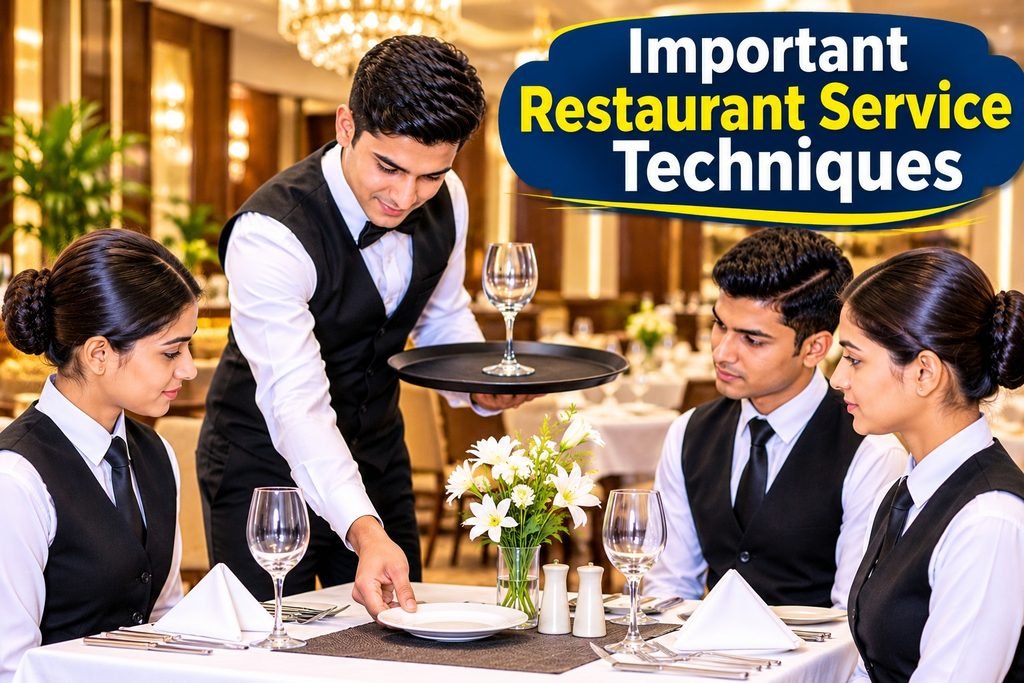
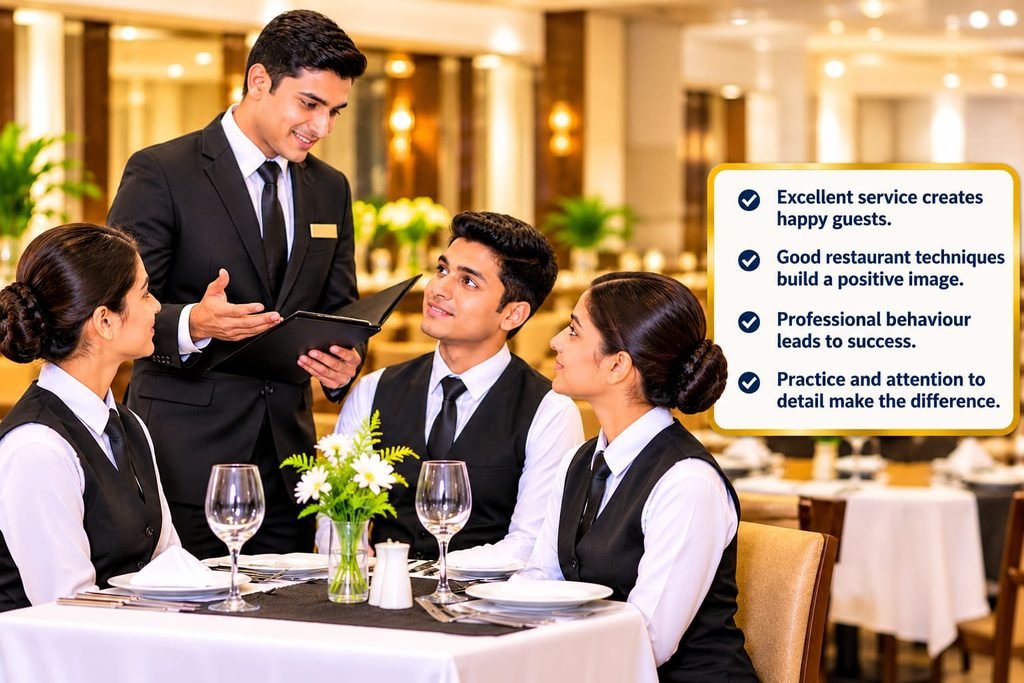
Restaurant staff serving food to guests in a professional dining environment.
Importance of Personal Grooming in the Hospitality Indust

Introduction

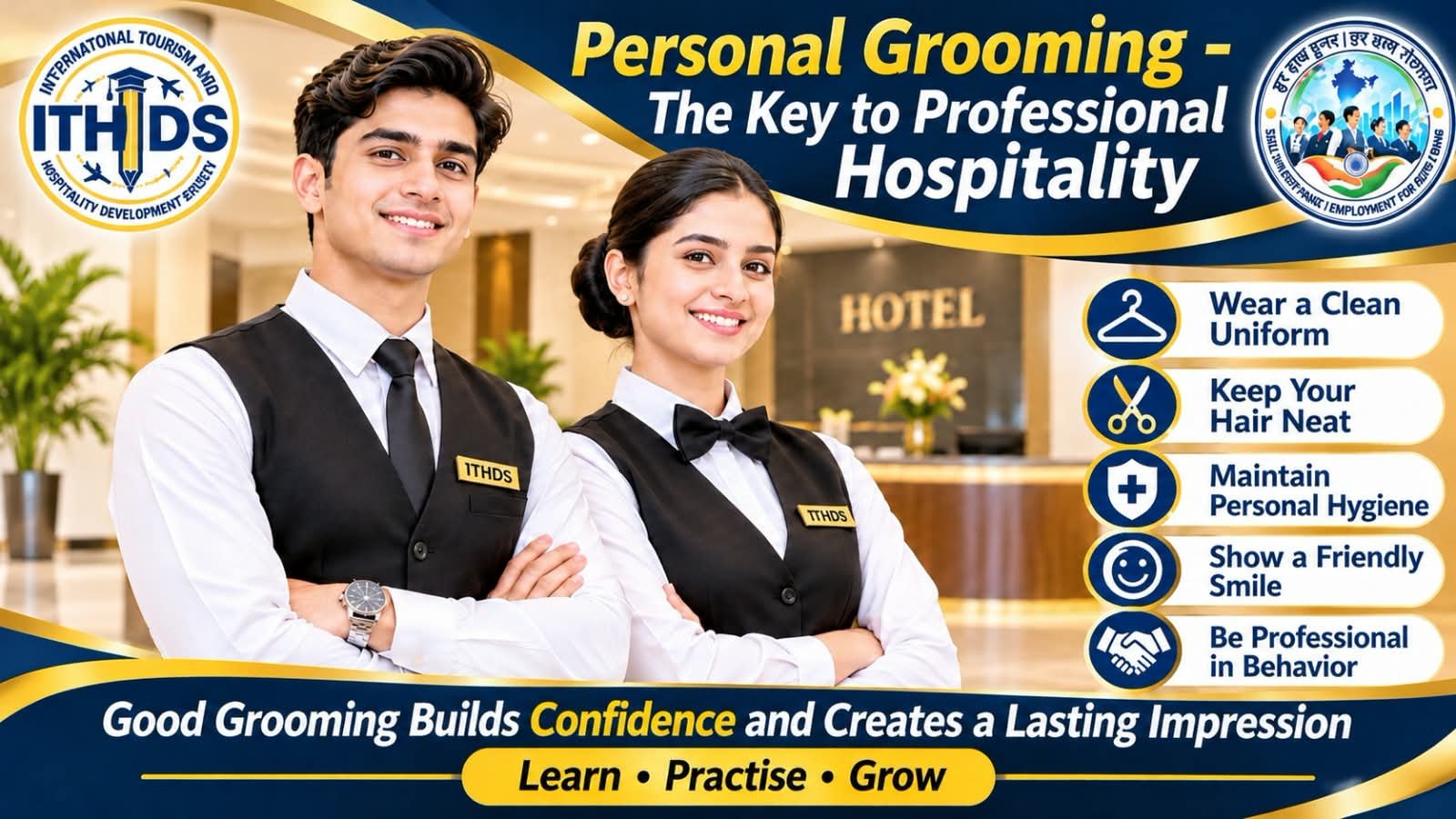
Personal grooming is one of the most important parts of the hospitality industry. Whether you work in a hotel, restaurant, resort, or front office, the way you look, dress, and present yourself creates the first impression on guests.

In the hospitality industry, guests expect professional service, cleanliness, and friendly behavior. A well-groomed employee looks professional, feels confident, and helps guests feel comfortable. Personal grooming is not just about looking good; it is also about maintaining hygiene, developing good habits, and showing respect for your work and guests.

What Is Personal Grooming?

Personal grooming means taking care of your appearance, personal hygiene, clothing, and overall presentation. It includes keeping yourself clean, wearing a neat uniform, maintaining a professional hairstyle, and following workplace grooming standards.

For example, a hotel receptionist should wear a clean and properly ironed uniform, maintain neat hair, keep their nails clean, and greet guests with a smile. Similarly, housekeeping staff, chefs, and restaurant service employees must follow grooming standards according to their department

Learn the importance of personal grooming in the hospitality industry, including hygiene, professional appearance, confidence, and essential grooming tips for hotel management students.

Why Is Personal Grooming Important in Hospitality?

1. Creates a Good First Impression

First impressions matter a lot in hotels and restaurants. Guests often notice an employee’s appearance before they experience the service. Clean clothes, neat hair, polished shoes, and a pleasant smile create a positive impression.

2. Maintains Personal Hygiene

Personal hygiene is especially important when working around food, guests, and hotel rooms. Regular bathing, clean hands, trimmed nails, fresh uniforms, and proper grooming help maintain cleanliness and reduce the risk of contamination.

3. Builds Confidence

When employees look neat and professional, they often feel more confident while speaking with guests and handling their responsibilities. Good grooming also helps students feel prepared for practical training, interviews, and future job opportunities.

4. Shows Professionalism

A well-groomed employee shows discipline, responsibility, and respect for the workplace. Following grooming standards tells guests and colleagues that the employee takes their job seriously.

5. Improves Guest Satisfaction

Guests feel more comfortable when hotel staff look clean, approachable, and professional. Along with good communication and helpful behavior, personal grooming contributes to a welcoming guest experience.

6. Supports Food Safety

In the kitchen and food service departments, grooming is directly connected to hygiene. Employees should follow department-specific rules, such as wearing clean uniforms, keeping hair properly covered where required, washing hands correctly, and avoiding jewellery when it could create a hygiene risk.

 Housekeeping & Food & Beverage Gromming

How ITHDS Helps Students Develop Professional Grooming.

At the International Tourism and Hospitality Development Society (ITHDS), Haldwani, personal grooming is an important topic for students preparing for careers in the hospitality industry.

Learning about professional appearance, personal hygiene, communication, body language, and workplace discipline helps students understand what hotels and restaurants expect from their employees. Practising these habits during training can help students prepare for interviews, practical sessions, and professional responsibilities.

Conclusion

Personal grooming is a basic but essential skill for anyone who wants to build a career in hotel management. It helps create a good first impression, supports hygiene, builds confidence, and reflects professionalism.

Remember, good grooming is not about expensive clothes or fashionable looks. It is about being clean, neat, confident, and professional every day. Small habits can make a big difference in your hospitality career.

If you are planning to build your future in the hotel and hospitality industry, start developing good grooming habits today!